

Table of Contents
Every morning, the divine Hukamnama (Mukhwak) is taken from Sri Harmandir Sahib — the Golden Temple, Amritsar. Devotees around the world seek the Hukamnama from Darbar Sahib today to find daily guidance and blessings from Gurbani.
Here you can read the Golden Temple Hukamnama today in Gurmukhi, Hindi, and English with full meaning.
01
of 11Hukamnama Sri Darbar Sahib
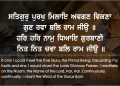
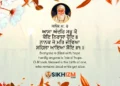
Read today's 08/10/2026 Hukamnama from Sri Darbar Sahib in multilingual (Punjabi-English-Hindi) transliterations and translations. The post also includes a Hukamnama PDF file that includes the Hukamnama translations in English and Punjabi.
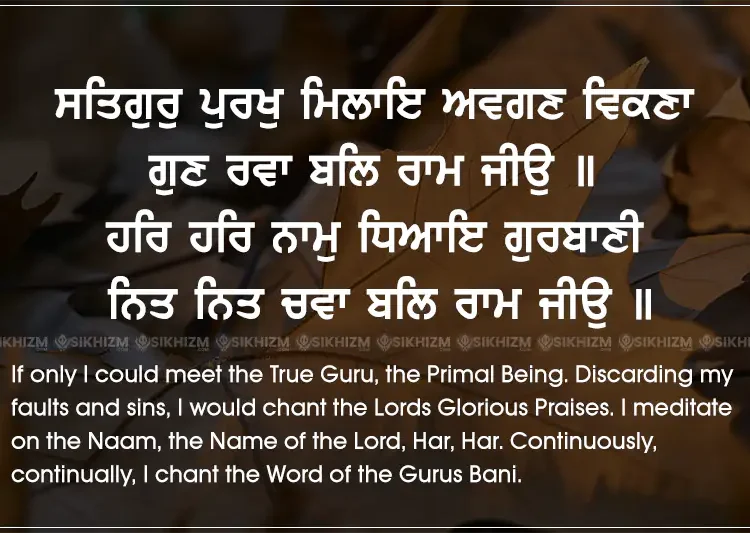
ਸਤਿਗੁਰੁ ਪੁਰਖੁ ਮਿਲਾਇ ਅਵਗਣ ਵਿਕਣਾ
Satgur Purakh Milaai Avgan Vikna Gun Ravaa Bal Ram Jiyo - Bani Sri Guru Ram Dass Ji, documented on Page 773 of Sri Guru Granth Sahib Ji under Raag Soohi.
Read moreDetails02
of 11What is Hukamnama Sahib? (ਹੁਕਮਨਾਮਾ ਸਾਹਿਬ ਕੀ ਹੈ?)
In Sikhism, the Hukamnama Sahib (ਹੁਕਮਨਾਮਾ ਸਾਹਿਬ) is not just a reading — it’s the Divine Order or Waheguru da Hukam (ਵਾਹਿਗੁਰੂ ਦਾ ਹੁਕਮ) for that day. Each morning at Sri Harmandir Sahib (ਸ਼੍ਰੀ ਹਰਿਮੰਦਰ ਸਾਹਿਬ), the Granthi Sahib opens the Sri Guru Granth Sahib Ji (ਸ਼੍ਰੀ ਗੁਰੂ ਗ੍ਰੰਥ ਸਾਹਿਬ ਜੀ) randomly after Asa Di Vaar Kirtan.
The first Shabad (ਸ਼ਬਦ) that appears is declared as the Hukamnama Darbar Sahib Today (ਅੱਜ ਦਾ ਹੁਕਮਨਾਮਾ ਦਰਬਾਰ ਸਾਹਿਬ). Sikhs all over the world begin their day with this divine message — seeing it as Waheguru’s personal guidance.
The Hukamnama is considered to be a powerful tool for spiritual guidance and decision-making for Sikhs. It is believed that by reading and following the Hukamnama, Sikhs can gain a deeper understanding of the teachings of the Sri Guru Granth Sahib Ji and find answers to their spiritual questions
The Spiritual Essence of Hukamnama (ਹੁਕਮ ਦਾ ਆਤਮਕ ਅਰਥ)
The concept of Hukam (ਹੁਕਮ) — Divine Will — forms the foundation of Sikh thought. Guru Nanak Dev Ji explained it beautifully in Japji Sahib:
ਹੁਕਮੈ ਅੰਦਰਿ ਸਭੁ ਕੋ ਬਾਹਰਿ ਹੁਕਮ ਨ ਕੋਇ ॥
Everyone is under the command of the Divine Order; none can be beyond it.
Following the Hukamnama from Golden Temple today, Sikhs learn surrender — accepting joy and sorrow, gain and loss — as expressions of divine Hukam. The daily Hukamnama Sahib becomes a mirror for the mind, helping devotees understand Waheguru’s wisdom in every circumstance.
Origin of the Hukamnama Tradition (ਹੁਕਮਨਾਮੇ ਦੀ ਪ੍ਰੰਪਰਾ)
The practice of taking Hukamnama Sahib (ਹੁਕਮਨਾਮਾ ਸਾਹਿਬ) began during the time of Guru Arjan Dev Ji (ਗੁਰੂ ਅਰਜਨ ਦੇਵ ਜੀ), who installed Sri Guru Granth Sahib Ji at Sri Harmandir Sahib in 1604 CE.
From that day, every morning, the Granthi Sahib would open the scripture at random and read the first Shabad as the Divine Order (ਹੁਕਮ) for the Sangat (ਸੰਗਤ). Over centuries, this sacred tradition continued unbroken — symbolizing the Guru’s eternal presence guiding humanity.
03
of 11Hukamnama Darbar Sahib Today – The Daily Mukhwak from Golden Temple (ਅੱਜ ਦਾ ਮੁਖਵਾਕ ਦਰਬਾਰ ਸਾਹਿਬ)
Every morning before sunrise, the peaceful resonance of Asa Di Vaar (ਆਸਾ ਦੀ ਵਾਰ) fills the sanctum of Sri Harmandir Sahib (ਸ਼੍ਰੀ ਹਰਿਮੰਦਰ ਸਾਹਿਬ). Once it concludes, the Granthi Singh (ਗ੍ਰੰਥੀ ਸਿੰਘ) opens Guru Granth Sahib Ji at a random Ang (page).
The first Shabad that appears is read aloud in Raag and becomes the Golden Temple Hukamnama Today (ਅੱਜ ਦਾ ਹੁਕਮਨਾਮਾ ਗੋਲਡਨ ਟੈਂਪਲ). It is then translated and shared globally — reminding the world that the Guru still speaks daily from Amritsar.
Process of Taking Today’s Hukamnama (ਅੱਜ ਦਾ ਹੁਕਮਨਾਮਾ ਕਿਵੇਂ ਲਿਆ ਜਾਂਦਾ ਹੈ)
- Early Morning (ਸਵੇਰ ਦੇ ਸਮੇਂ): After Asa Di Vaar Kirtan, the Granthi Sahib performs Ardaas.
- Random Opening (ਸੁਧ-ਭਾਵਨਾ ਨਾਲ ਖੋਲ੍ਹਣਾ): The Guru Granth Sahib Ji is opened without any human choice — symbolizing divine spontaneity.
- Reading Hukamnama (ਹੁਕਮ ਪਾਠ): The Shabad is recited aloud before the Sangat in melodious Raag.
- Translation (ਅਰਥ ਤੇ ਵਿਵਰਣ): It is explained in Punjabi and translated into English and Hindi.
- Broadcast (ਪ੍ਰਸਾਰਣ): The today’s Hukamnama Golden Temple (ਅੱਜ ਦਾ ਹੁਕਮਨਾਮਾ ਹਰਿਮੰਦਰ ਸਾਹਿਬ) is uploaded instantly on SGPC platforms and Sikhism websites like Sikhizm.com.
04
of 11Previous Hukamnamas of 30 Days
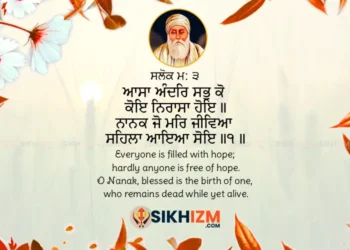
Aasa Andar Sabh Ko
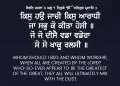
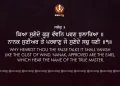
Kis Hau Jachi Kis Aradhi, Ja Sabh Ko Kita Hosi Bani authored by Sri Guru Arjan Dev Ji, documented on...
Read moreDetails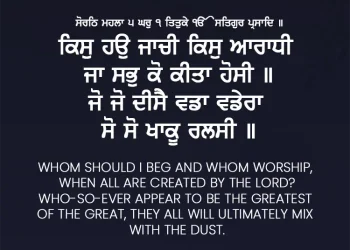
Kis Hau Jachi Kis Aradhi
Kis Hau Jachi Kis Aradhi, Ja Sabh Ko Kita Hosi Bani authored by Sri Guru Arjan Dev Ji, documented on...
Read moreDetails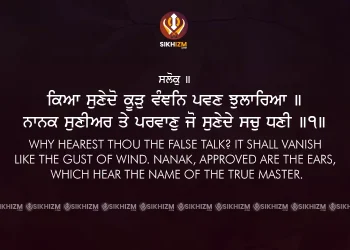
ਕਿਆ ਸੁਣੇਦੋ ਕੂੜੁ ਵੰਞਨਿ ਪਵਣ ਝੁਲਾਰਿਆ | Kya Sunendo Kood Shabad
Kya Sunendo Kood Vanjan Pawan Jhulareya, Baani Sri Guru Arjan Dev Ji, documented on Ang 577 in Raga Vadahans on...
Read moreDetails
ਸਤਿਗੁਰ ਪੂਰੇ ਭਾਣਾ, ਤਾ ਜਪਿਆ ਨਾਮੁ ਰਮਾਣਾ
Satgur Poore Bhana, Ta Japiya Naam Ramana, Gobind Kirpa Dhaari, Prabh Raakhi Paej Hamari ; Raga Sorath Mahalla 5th Sahib...
Read moreDetails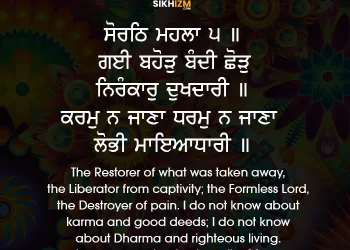
Gayi Bahor Bandi Chhor
Mukhwak Darbar Sahib: Gayi Bahor Bandi Chhor Nirankar Dukhdari; is Hukamnama from Darbar Sahib, Sachkhand Sri Harmandir Sahib, Amritsar.
Read moreDetails
Har Kia Katha Kahania Gur Meet Sunaiya
Har Kia Katha Kahania Gur Meet Sunaiya is Today's Hukamnama from Darbar Sahib, Amritsar. Created by Sri Guru Ram Dass,...
Read moreDetails
ਭਗਤਾ ਦੀ ਸਦਾ ਤੂ ਰਖਦਾ ਹਰਿ ਜੀਉ ਧੁਰਿ ਤੂ ਰਖਦਾ ਆਇਆ
Bhagta Di Sada Tu Rakhda Har Jio, Dhur Tu Rakhda Aaya Bani Sri Guru Amar Dass Ji, documented at Ang...
Read moreDetails
Dhrig Dhrig Khaya Dhrig Dhrig Soya
Dhrig Dhrig Khaya Dhrig Dhrig Soya Dhrig Dhrig Khaya Dhrig Dhrig Soya; Dhrig Dhrig Kaapad Ang Chadhaya; Bani Sri Guru...
Read moreDetails
Sadaa Dhan Antar Naam Samaale
Hukamnama Darbar Sahib, Amritsar Today: Sadaa Dhan Antar Naam Samaale, Jeea Jant Jineh Pratpaale; [Raag Dhanasari, Guru Amardass Ji, Ang...
Read moreDetails
Jiska Tan Man Dhan Sabh Tis Ka
Jiska Tan Man Dhan Sabh Tis Ka, Soi Sughad Sujani; Gurbani of Sri Guru Arjan Dev Ji from SGGS Ji...
Read moreDetails
Suno Sant Pyare Binou Hamare Jio
Suno Sant Pyare, Binou Hamare Jiyo; Bani Sri Guru Arjan Dev Ji, documented on Ang 678 of Sri Guru Granth...
Read moreDetails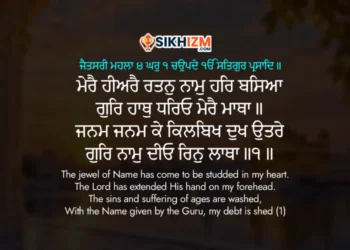
Mere Hiarey Ratan Naam Har Basia
Mere Hiarey Ratan Naam Har Basia, Gur Hath Dhareo Mere Matha; Bani Sri Guru Ramdas Ji, documented on Ang 696...
Read moreDetails
ਜੋ ਹਰਿ ਸੇਵਹਿ ਸੰਤ ਭਗਤ ਤਿਨ ਕੇ ਸਭਿ ਪਾਪ ਨਿਵਾਰੀ
Jo Har Sevah Sant Bhagat, Tin Ke Sab Paap Nivaari; Bani of Satguru Ramdas Ji, documented in SGGS Ji at...
Read moreDetails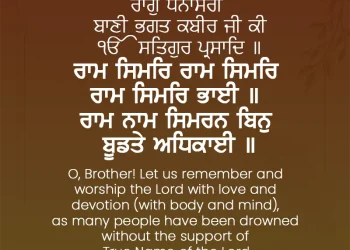
Ram Simar Ram Simar
Ram Simar Ram Simar Bhai; Raag Dhanasari Bani Bhagat Kabir Ji from Sri Guru Granth Ang 692. Lyrics translation in...
Read moreDetails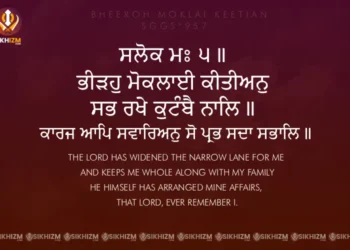
ਭੀੜਹੁ ਮੋਕਲਾਈ ਕੀਤੀਅਨੁ ਸਭ ਰਖੇ ਕੁਟੰਬੈ ਨਾਲਿ
Bheeroh Moklai Keetian Sabh Rakhai Kutambai Naal; Beautiful verse from Ramkali Ki Vaar Pauri 3rd Bani Sri Guru Arjan Dev...
Read moreDetails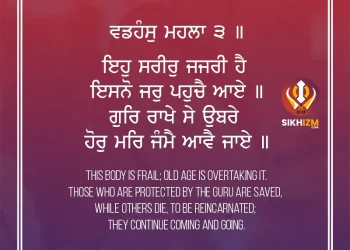
Eh Sareer Jajri Hai Iss No Jar Pahuche Aaye
Hukamnama Darbar Sahib, Amritsar: Eh Sareer Jajri Hai Iss No Jar Pahuche Aaye; Raag Vadhans Mahalla 3rd, Guru Amardas Ji,...
Read moreDetails
Hum Sar Deen Dayal Na Tum Sar
Hum Sar Deen Dayal Na Tum Sar, is Today's Mukhwak from Sri Guru Sahib throned at Darbar Sri Harmandir Sahib,...
Read moreDetails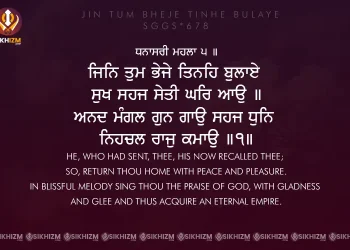
Jin Tum Bheje Tinhi Bulaaye
Jin Tum Bheje Tinhi Bulaaye, Sukh Sehaj Seti Ghar Aao, Bani Sri Guru Arjan Dev Ji - Page 678 of...
Read moreDetails
Sakhi Aao Sakhi Vas Aao
Jis Ko Bisre Praanpat Daata Soi Ganhu Abhaga. Charan Kamal Ja Ka Man Raageo Amea Sarovar Paaga.
Read moreDetails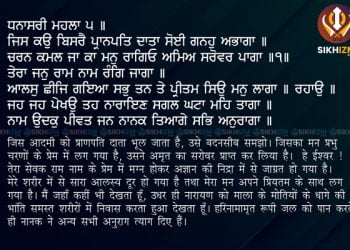
ਜਿਸ ਕਉ ਬਿਸਰੈ ਪ੍ਰਾਨਪਤਿ ਦਾਤਾ
Jis Ko Bisre Praanpat Daata Soi Ganhu Abhaga. Charan Kamal Ja Ka Man Raageo Amea Sarovar Paaga.
Read moreDetails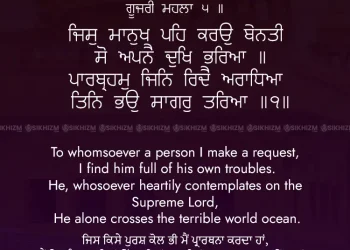
Jis Manukh Peh Karoh Benti
Jis Manukh Peh Karoh Benti, So Apne Dukh Bhariya... Bani Sri Guru Arjan Dev Ji documented in Sri Guru Granth...
Read moreDetails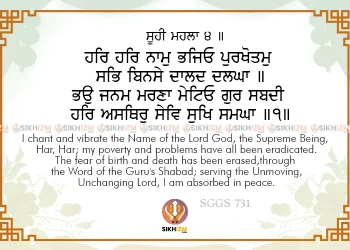
Har Har Naam Bhajeo Purkhotam
Mukhwak Sachkhand Sri Harmandir Sahib, Amritsar: Har Har Naam Bhajeo Purkhotam, Sabh Bin-se Daalad Dalgha; Raag Suhi Guru Ramdas Ji,...
Read moreDetails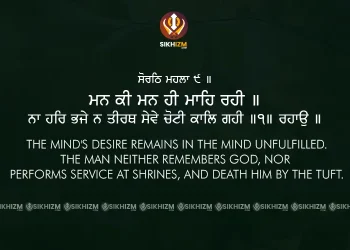
Man Ki Man Hi Maahe Rahi
Man Ki Man Hi Maahe Rahi, Na Har Bhaje Na Tirath Seve, Choti Kaal Gahi; Raag Sorath Mahalla 9th, Sri...
Read moreDetails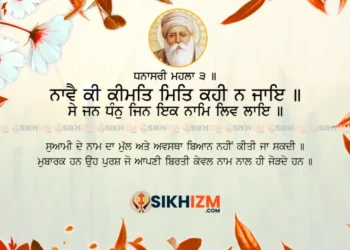
Naavai Ki Keemat Mit Kehi Na Jaye
Naavai Ki Keemat Mit Kehi Na Jaye, Se Jan Dhann Jin Ik Naam Liv Laye; Bani Sahib Sri Guru Amardas...
Read moreDetails
Bin Satgur Seve Jeea Ke Bandhna
Bin Satgur Seve Jeea Ke Bandhna, Jete Karam Kamaahe; Raag Bihagada Mahalla 4th, Sri Guru Ram Dass Ji, indexed in...
Read moreDetails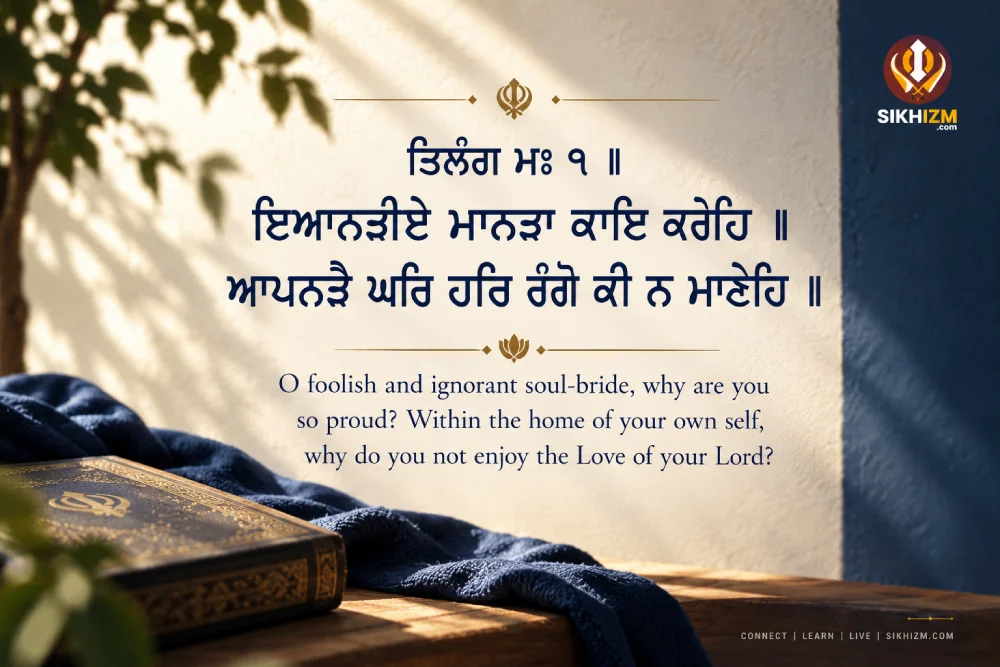
ਇਆਨੜੀਏ ਮਾਨੜਾ ਕਾਇ ਕਰੇਹਿ
ਇਆਨੜੀਏ ਮਾਨੜਾ ਕਾਇ ਕਰੇਹਿ Eaanadiye Maanada Kaaee Kareia; Raag Tilang Gurbani of Sri Guru Nanak Dev Ji; Page 722 of...
Read moreDetails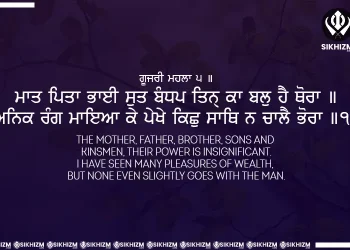
Maat Pita Bhai Sut Bandhap
Maat Pita Bhai Sut Bandhap Tin Ka Bal Hai Thora [Raag Gujri, Baani Sri Guru Arjan Dev Ji, Page 499...
Read moreDetails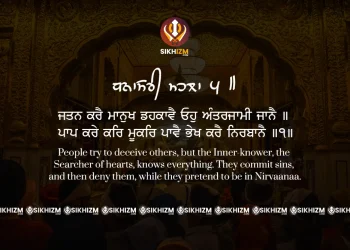
Jatan Kare Manukh Dehkave
Jatan Kare Manukh Dehkaave, Oh Antarjami Jane... Bani Sri Guru Arjan Dev Ji documented in Sri Guru Granth Sahib at...
Read moreDetails
Har Bisrat Sada Khuari
Har Bisrat Sada Khuari, Ta Kau Dhokha Kaha Byapae, Ja Kau Oat Tuhari Mukhwak by Sahib Sri Guru Arjan Dev Ji,...
Read moreDetails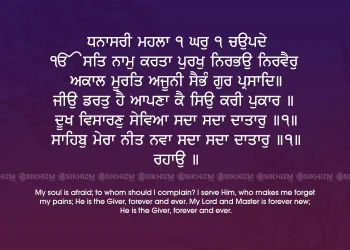
Jio Darat Hai Apna, Kai So Kari Pukaar
Bani Sri Guru Nanak Dev Ji: Jio Darat Hai Apna, Kai So Kari Pukaar; documented on Page 660 of Sri...
Read moreDetails05
of 11Significance of Today’s Hukamnama in Sikh Life (ਅੱਜ ਦੇ ਹੁਕਮਨਾਮੇ ਦਾ ਮਹੱਤਵ)
For Sikhs, the Hukamnama Sri Darbar Sahib Today (ਹੁਕਮਨਾਮਾ ਸ੍ਰੀ ਦਰਬਾਰ ਸਾਹਿਬ ਅੱਜ) is the Guru’s direct communication. Many start their day by reading it or listening to its Katha (explanation).
The Shabad often reminds devotees:
ਸਭਨਾ ਜੀਆ ਕਾ ਇਕੁ ਦਾਤਾ ਸੋ ਮੈ ਵਿਸਰਿ ਨ ਜਾਈ ॥
He alone is the Giver to all beings — may I never forget Him!
Such verses bring clarity and calmness. The daily Hukamnama Sahib teaches Chardi Kala (ਚੜ੍ਹਦੀ ਕਲਾ – eternal optimism) and helps Sikhs live with humility, acceptance, and gratitude.
06
of 11Harmandir Sahib Hukamnama Today – Connecting Sikhs Globally
Through modern technology, the Hukamnama from Golden Temple today travels across oceans in seconds. Websites, YouTube channels, and apps ensure that Sikhs in Canada, UK, or Malaysia receive the same Mukhwak simultaneously.
At Sikhizm.com, you can find the Golden Temple Hukamnama Today (ਅੱਜ ਦਾ ਗੋਲਡਨ ਟੈਂਪਲ ਹੁਕਮਨਾਮਾ) in Gurmukhi, Roman English, and Hindi with detailed meanings — keeping the Guru’s voice accessible to all.
Hukamnama from Golden Temple Today – Translations and Meanings
The Hukamnama Sahib is filled with poetic beauty — understanding it deeply requires reflection. Trusted platforms like Sikhizm.com present authentic English and Punjabi meanings, helping both new learners and fluent speakers grasp the inner essence of Guru’s message.
07
of 11Where to Read Golden Temple Mukhwak Today Online
You can access the today’s Hukamnama Golden Temple (ਅੱਜ ਦਾ ਹੁਕਮਨਾਮਾ ਗੋਲਡਨ ਟੈਂਪਲ) through:
- Official SGPC site: www.sgpc.net
- Sikhizm.com – with daily updates, translations, and meanings
- Harmandir Sahib’s YouTube live stream or Gurbani Radio
You can Join following Channels, Pages, Group to get Daily Updates from Sikhizm.com -
- Facebook Page
- WhatsApp Channel
- Facebook Group
- Instagram Page
- WhatsApp Group
- Website Push Notifications
- Email Subscription
Understanding the Language & Structure of Hukamnama Sahib
Every Hukamnama Sahib (ਹੁਕਮਨਾਮਾ ਸਾਹਿਬ) is written in a specific Raag (ਰਾਗ), each carrying unique emotion — devotion (ਭਗਤੀ), longing (ਬਿਰਹਾ), peace (ਸ਼ਾਂਤੀ), or joy (ਅਨੰਦ).
The Shabad may belong to any Guru or Bhagat, reminding us that the divine truth transcends names and forms.
08
of 11Reflecting on Today’s Hukamnama
After reading or listening, take a few quiet moments to meditate on the message. Ask yourself:
- What is Waheguru teaching me through this Hukam today?
- How can I apply this wisdom in my relationships and work?
Meditation (Simran) on the Hukamnama’s meaning connects your mind directly with the Guru’s divine consciousness.
Applying Hukamnama Teachings in Daily Life
- Begin your morning with Waheguru Simran and reading of the Hukamnama.
- Reflect on one line throughout the day — let it guide your actions.
- Accept both pleasure and pain as Hukam (ਹੁਕਮ) — divine will.
- Serve others (Seva) in humility — as gratitude for the Guru’s grace.
ਹੁਕਮਿ ਰਜਾਈ ਚਲਣਾ ਨਾਨਕ ਲਿਖਿਆ ਨਾਲਿ ॥
O Nanak, walk in harmony with the Divine Will, as it is written for you.
09
of 11Historical Importance of Hukamnama in Sikh History
In the times of the Gurus, handwritten Hukamnamas (ਹੁਕਮਨਾਮੇ) were sent to Sangats in faraway regions. These letters carried blessings and spiritual instructions — many are preserved in museums today, testifying to the deep bond between the Guru and the Sangat.
Each day’s Hukamnama Darbar Sahib Today (ਅੱਜ ਦਾ ਹੁਕਮਨਾਮਾ ਦਰਬਾਰ ਸਾਹਿਬ) is a living voice of the Guru, reminding us to surrender our ego and trust Waheguru’s Hukam.
By meditating on the today’s Hukamnama Golden Temple (ਅੱਜ ਦਾ ਹੁਕਮਨਾਮਾ ਹਰਿਮੰਦਰ ਸਾਹਿਬ), we step closer to peace, wisdom, and spiritual oneness.
ਸਭੁ ਕੋ ਹੁਕਮੈ ਅੰਦਰਿ ਹੈ ਹੁਕਮੁ ਨ ਕਹਿਆ ਜਾਈ ॥
Everything operates under the Divine Order — its mystery cannot be fully described.
Let us, therefore, live each day in remembrance, gratitude, and Chardi Kala — guided by the eternal Hukam of our beloved Guru.
10
of 11Listen Audio Hukamnama
11
of 11FAQs about Hukamnama Sahib from Golden Temple
What time is the Hukamnama Darbar Sahib today announced?
The time of Sri Guru Granth Sahib Ji Parkash and taking Hukamnama varies between 4:30 AM and 5:30 AM IST, after Asa Di Vaar Kirtan. Depending on the time of sunrise, it often shifts 15 minutes earlier or later according to the sunrise timing in Amritsar.
Who reads the Hukamnama Sahib at Golden Temple?
A Granthi Singh appointed by the SGPC reads it aloud every morning. Mostly one of the additional Granthi Singhs apart from Head Granthi takes Hukamanama.
Can I listen to the Hukamnama Sahib live online?
Yes, you can listen via the official SGPC YouTube channel or Gurbani Radio.
Is the Hukamnama the same for everyone each day?
Yes—one Hukamnama Sahib applies to all Sikhs attending Gurudwara Sahib on that day. Every Gurudwara around the globe follows the same tradition and takes Hukamnama in the morning time. People follow Darbar Sahib's Hukamnama due to its wider reach; otherwise, it should be taken and followed from the local Gurudwara Sahib.
Where can I find translations for today’s Hukamnama?
On trusted sites like Sikhizm.com, you can read it in Punjabi, English, and Hindi. You won't be able to find a better understanding of Hukamnama than on our website.
What should I do after reading today’s Hukamnama?
Take a moment to reflect on its meaning, and try to live your day in harmony with Waheguru’s Hukam (will).