

Table of Contents
The Life and Legacy of Guru Gobind Singh
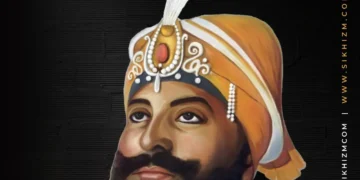
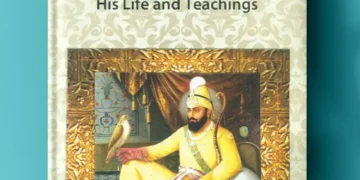
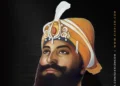
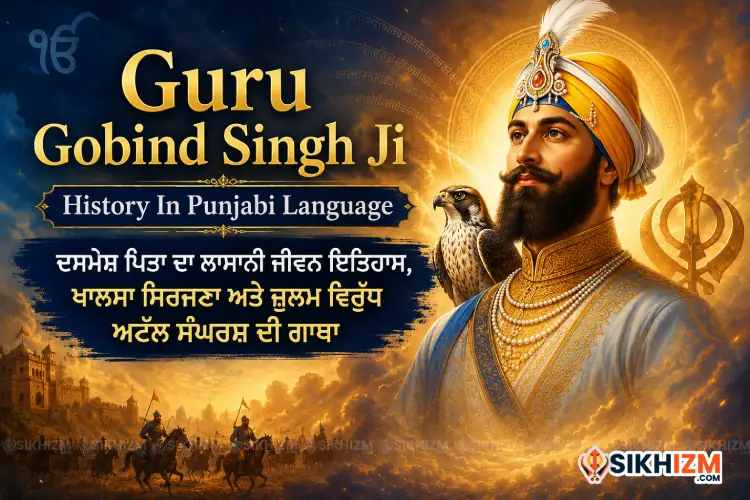
Guru Gobind Singh Ji was the tenth guru of Sikhs. He re-created Adi Granth and passed Guruship to Guru Granth Sahib, Established Khalsa Panth, and fought many wars, Sacrificed his 4 children to protect the faith.
| Name of Guru | Sat Guru Gobind Singh Ji, Sodhi Vansh |
|---|---|
| Birthplace | Sri Patna Sahib, Bihar |
| Birthday | 1723 Bikrami Poh Sudi 7th – Poh 23rd, Sunday, January 1st, 1666 CE, Nakshatra Dhanishtha. |
| Parents | Mother Mata Gujri Ji, Father Sri Guru Tegh Bahadur Ji |
| Spouse | Mata Ajit Kaur Ji Daughter of Harjas Ji, 2nd Wife Mata Sundar Kaur Ji from Village Bajwada, Hussiarpur, 3rd Mahal Mata Sahib Kaur Ji – the mother of Khalsa, She was the daughter of Rava Khatri Ji. She belonged to Ruhtaas, Jehlam ( Panja Sahib – 7 Miles to Station Deena near Tilla Baba Gundaii ) |
| Gurgaddi | 1732 Bikrami Maghar Sudi 3rd, December 17th, 1675 CE sent from Delhi to Sri Anandpur Sahib. |
| Joti Jot | 1765 Bikrami Kattak Sudi 5th, November 19th, 1708 CE, Sri Hazoor Sahib Nanded (Then in Hydrabad State) Sava Pehar before Morning. |
| Children | Baba Jujhar Singh (Born 1749 Bikrami), Baba Zorawar Singh (Born 1752 Bikrami), and Baba Fatah Singh Ji (Born 1754 Bikrami) were from Mata Ajit Kaur Ji. Baba Ajit Singh Ji (Born 1746 Bikrami) was born from Mata Sundar Kaur Ji. Panth Khalsa was declared the son of Mata Sahib Kaur Ji in Bikrami 1756. Mata Gujri and All 4 Sahibzada were martyred in 1761 Bikrami. |
| Total Age | 41 Years 9 Months 28 Days |
| Guruship Period | 32 Years 11 Months 2 Days |
| Throned King | Aurangzeb, Bahadur Shah |
01
of 06Historical Events and Life of Guru Gobind Singh Ji
| Event/Life Milestone | Year/Date | Location | Key Figures Involved | Description of Achievement or Event | Democratic Principles Established | Historical Impact |
|---|---|---|---|---|---|---|
| Birth of Guru Gobind Singh Ji | Poh Sudi 7, Sambat 1723 (Bikrami) / December 22, 1666 AD | Patna (Bihar) | Guru Tegh Bahadur Ji (Father), Mata Gujri Ji (Mother) | The birth of the tenth Sikh Guru while his father was traveling in Eastern India during the reign of Emperor Aurangzeb. | Not in source | Marked the arrival of a revolutionary spiritual leader destined to protect righteousness and transform Sikhism into the Khalsa Panth. |
| Accession to Guruship (Gurgaddi) | Sambat 1732 (Bikrami) / November 11, 1675 AD | Anandpur Sahib | Guru Tegh Bahadur Ji, Guru Gobind Singh Ji | Following the martyrdom of his father in Delhi, Guru Gobind Singh Ji formally assumed the leadership of the Sikh Panth at the age of nine. | Sovereignty of the Guru's word and spiritual lineage; leadership accepted based on spiritual merit and lineage. | Consolidated the Sikh community during extreme religious persecution and started a new era of resistance against Mughal tyranny. |
| Composition of Texts at Paonta Sahib | c. 1685-1688 | Paonta Sahib (Himachal Pradesh) | Guru Gobind Singh Ji, 52 Poets | Authored Krishna Avtar, Chandi Charitar, and Japji Sahib; established a center for literary and physical training. | Encouraged intellectual development and equality through education (Sanskrit and Persian study for Sikhs). | Revitalized Indian heritage and prepared the Sikh community mentally for the struggle against tyranny. |
| Battle of Bhangani | 18 Baisakh, Sambat 1746 (Bikrami) / 1689 AD | Bhangani (near Paonta Sahib) | Guru Gobind Singh Ji, Pir Buddhu Shah, Raja Bhim Chand, Raja Fateh Shah | The first major battle fought by the Guru against the hill chiefs; resulted in a decisive victory for the Guru's forces. | Inclusion of diverse volunteers like Pir Buddhu Shah and his followers regardless of creed. | Demonstrated the military prowess of the Sikhs against established regional powers. |
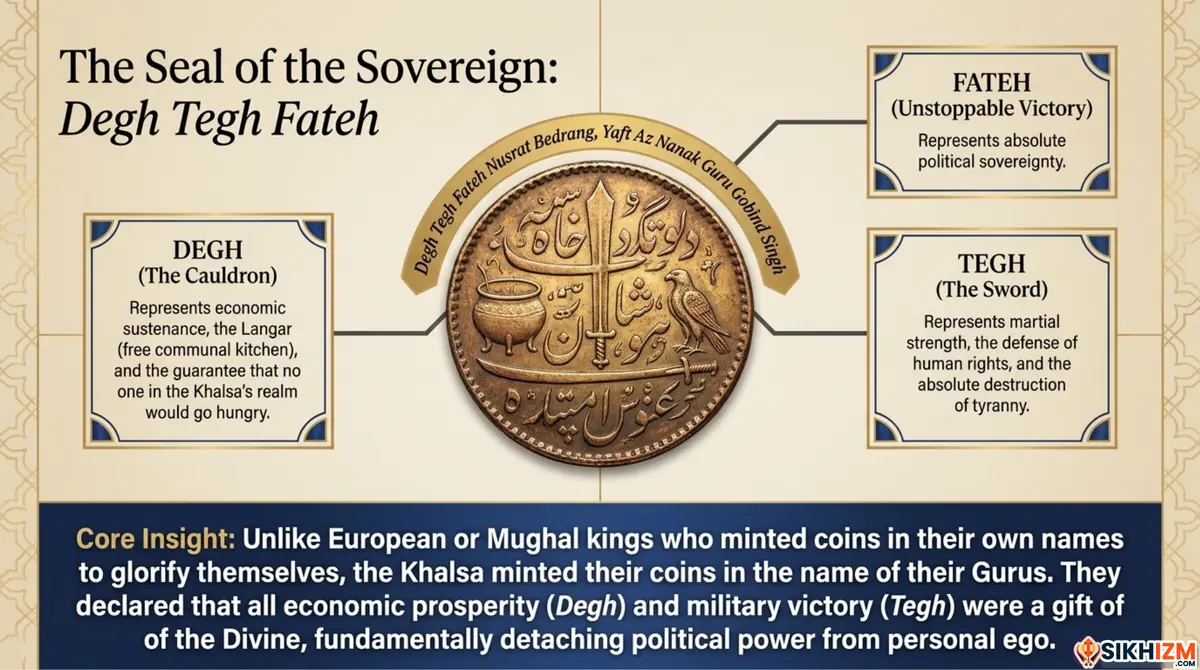
| Creation of the Khalsa | Baisakhi, Sambat 1756 (Bikrami) / March 30, 1699 AD | Anandpur Sahib (Keshgarh Sahib) | Guru Gobind Singh Ji, Panj Pyare (Bhai Daya Singh, Dharam Singh, Himmat Singh, Mohkam Singh, Sahib Singh) | Instituted the Khalsa order through Khande di Pahul (Amrit Sanchar) and the five symbols (5 Kakaars); the Guru was then initiated by the Panj Pyare, merging the identity of Guru and Sikh. | The Panj Pyare (collective leadership), "Aape Gur Chela" (Guru as disciple), abolition of caste distinctions, and gender equality in spiritual initiation. | Transformed a pacifist community into a brotherhood of saint-soldiers, fundamentally altering the socio-political map of Asia. |
| Battle of Chamkaur | Sambat 1761 (Bikrami) / December 1704 AD | Chamkaur di Garhi | Guru Gobind Singh Ji, Sahibzada Ajit Singh, Sahibzada Jujhar Singh, 40 Sikhs | An epic siege where 40 Sikhs fought against a massive Mughal and Hill Chief army; the Guru's elder sons achieved martyrdom. | The Guru acted upon the resolution (Gurmatta) of the Panj Pyare present to leave the fort to continue the struggle for the Panth. | The ultimate test of Khalsa courage and devotion; weakened Mughal moral authority and demonstrated unparalleled bravery. |
| Writing of Zafarnama | 1705 | Dina Kanjara | Guru Gobind Singh Ji, Aurangzeb (recipient) | A 'Letter of Victory' written in Persian to Emperor Aurangzeb, rebuking his tyranny and broken oaths. | Sovereignty of truth over political power. | Moral defeat of the Mughal Emperor and a testament to the Guru's indomitable spirit. |
| Installation of Guru Granth Sahib as Eternal Guru | Sambat 1765 (Bikrami) / 1708 AD | Nanded (Hazur Sahib) | Guru Gobind Singh Ji | Before his departure from the physical world, the Guru conferred Guruship upon the Adi Granth, commanding Sikhs to recognize it as the living Guru. | Guru Granth Sahib's sovereignty (Scriptural authority over individual personality), Shabad Guru as sovereign, and transfer of temporal authority to the Khalsa Panth. | Ended the line of physical Gurus, ensuring permanent democratic governance and unifying the community under eternal guidance. |
Biography of Tenth Guru Gobind Singh in English
Guru Gobind was only nine years of age when he was called upon to undertake the onerous responsibilities of Guruship in those times of tribulation and stress. Having passed his childhood at Patna, he had picked up eastern Hindi and Sanskrit, and now he not only improved his knowledge in these languages but also learned Persian and Gurmukhi characters. For some time, he retired to the Nahan State in the Himalayas in a place called Paonta and read much of the literature that had been composed before in Sanskrit and Braj.
He learned to write poetry. He now not only translated the whole gamut of heroic stories as found in the Rcimciyana, the Mahabharata, and the Puranas, to instill the virtues of heroism and chivalry in his people but also employed 52 poets to undertake a similar task. In this literature, much of which has been lost and only some of which is preserved in his Book, the Dasam Granth, compiled after his death, the same old strain of the oneness of God and the whole humanity runs as in the works of his predecessors. All superstitions and taboos are decried in a humorous vein, and a spirit of go-getting and sacrifice for righteousness is inculcated.
His spirit of optimism can be gauged from the reply he is said to have given his father when asked what the man should do when he became utterly helpless. Both the verses are the compositions of Guru Tegh Bahadur, in the form of, it appears, question and answer. Guru Tegh Bahadur’s inquiry was:
“My strength is gone and I am in bondage,
and from it now there is no escape.
God alone is my support, and He alone will help as he helps His Saints.
To this Gobind Singh’s reported reply was:
“I have rallied my strength, my bonds are loosed,
there is every hope for me.
Says Nanak: everything is in the hands of the Lord,
Now help me, my God.”
This, then, is the shift in emphasis that Guru Gobind Singh brought about in the Sikh movement. He has often been accused of having an anti-Muslim bias, but there is not a trace of it in his works. As he writes :
“The same is the temple and the mosque,
The same is the Pooja and the Namaz,
All men are the same all over,
Though each a different appearance has.”
And, as we shall see, the Guru in his unsought military campaigns fought with equal zeal with the Hindu hill chiefs who surrounded him, and the Moghal imperial forces, both Hindus and Muslims constituting his army and following, even in the worst days of crisis and struggle.
02
of 06Inheritance from Guru Hargobind
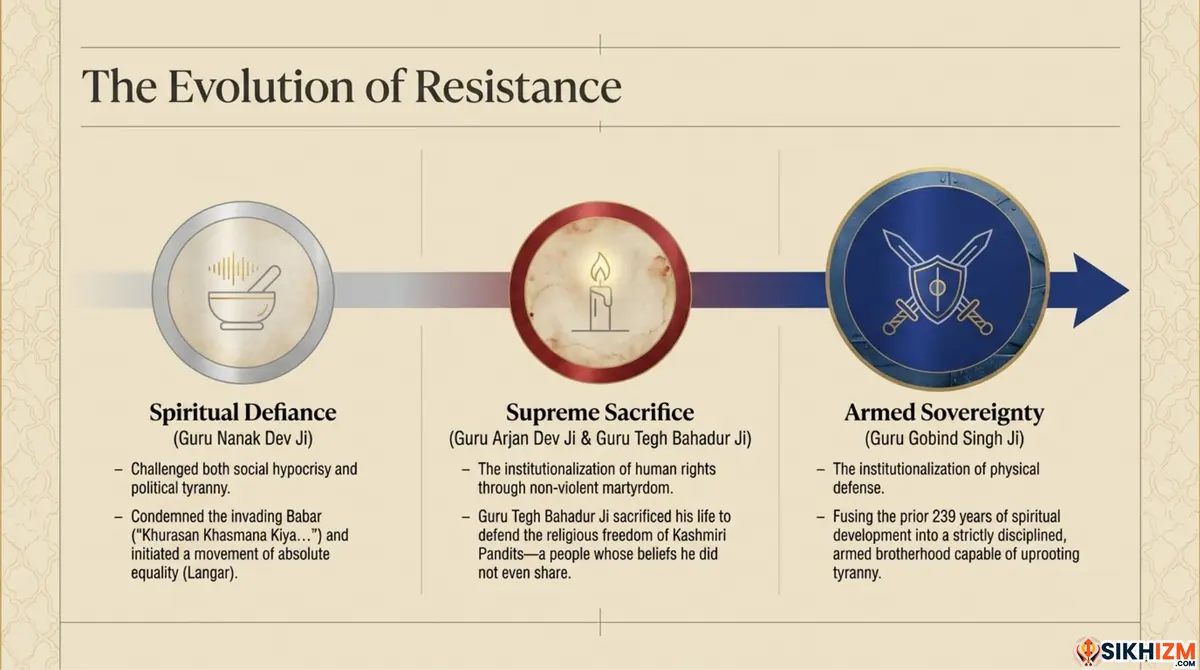
Like his grandfather, Guru Hargobind, Guru Gobind Singh too was forced by circumstances to prepare himself for war, but he never for once acquired an inch of territory for himself. The first battle he fought was against Raja Fateh Chand of Sri Nagar (now in Himachal Pradesh) who, jealous of the Guru's growing influence, attacked him unprovoked in 1686. The battle was fought at Bhangani, near Paonta in the Nahan State, in which the Guru trounced his adversary, helped by a force of 700 Muslims who fought alongside him under the leadership, it is said, of Pir Budhu Shah, a great admirer of his. The Pir lost two of his sons in the battle.
The Guru had married twice meanwhile and had one son Ajit Singh from his wife Sundari, and three sons, Jujhar Singh, Zorawar Singh, and Fateh Singh from his other wife, Jito, who died in 1701. The Guru’s third wife, Sahib Kaur, was married to him in the same year, but he contracted this marriage on the assurance that she would remain a virgin all her life. She is, therefore, called the Mother of the Khalsa.
In those days, the Imperial Government of Delhi levied a tribute on the hill chiefs. When a demand was made, many of them, led by the Raja of Kahlur, refused to pay and requested the Guru to assist them. Though the Guru had been earlier engaged in a battle with them he readily agreed and joined hands with them to resist the attack launched by the Governor of Jammu under orders from Delhi. In this battle again, the forces of the hill chiefs, led by the Guru, were victorious.
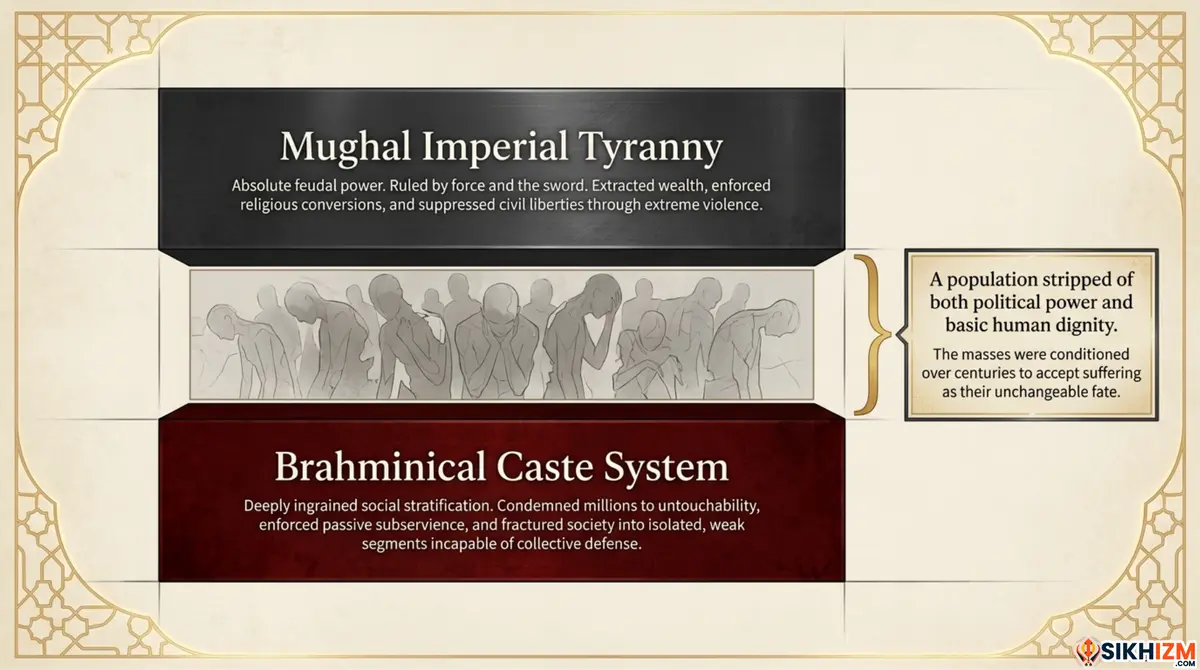
Alarmed at this, Aurangzeb sent his son, Muazzim (later called Bahadur Shah) to put the affairs of the Panjab in order. The Prince sent a force from Lahore to punish the hill chiefs and also the Guru. But while no harm came to Guru Gobind Singh, the hill chiefs suffered an ignominious defeat, for they got divided on the basis of caste. The Guru later tried to bring them together but found the task impossible as superstitions, caste, and mutual jealousies, which have been the bane of this country for centuries, stood in the way.
03
of 06How Guru Gobind Singh Revealed the Khalsa
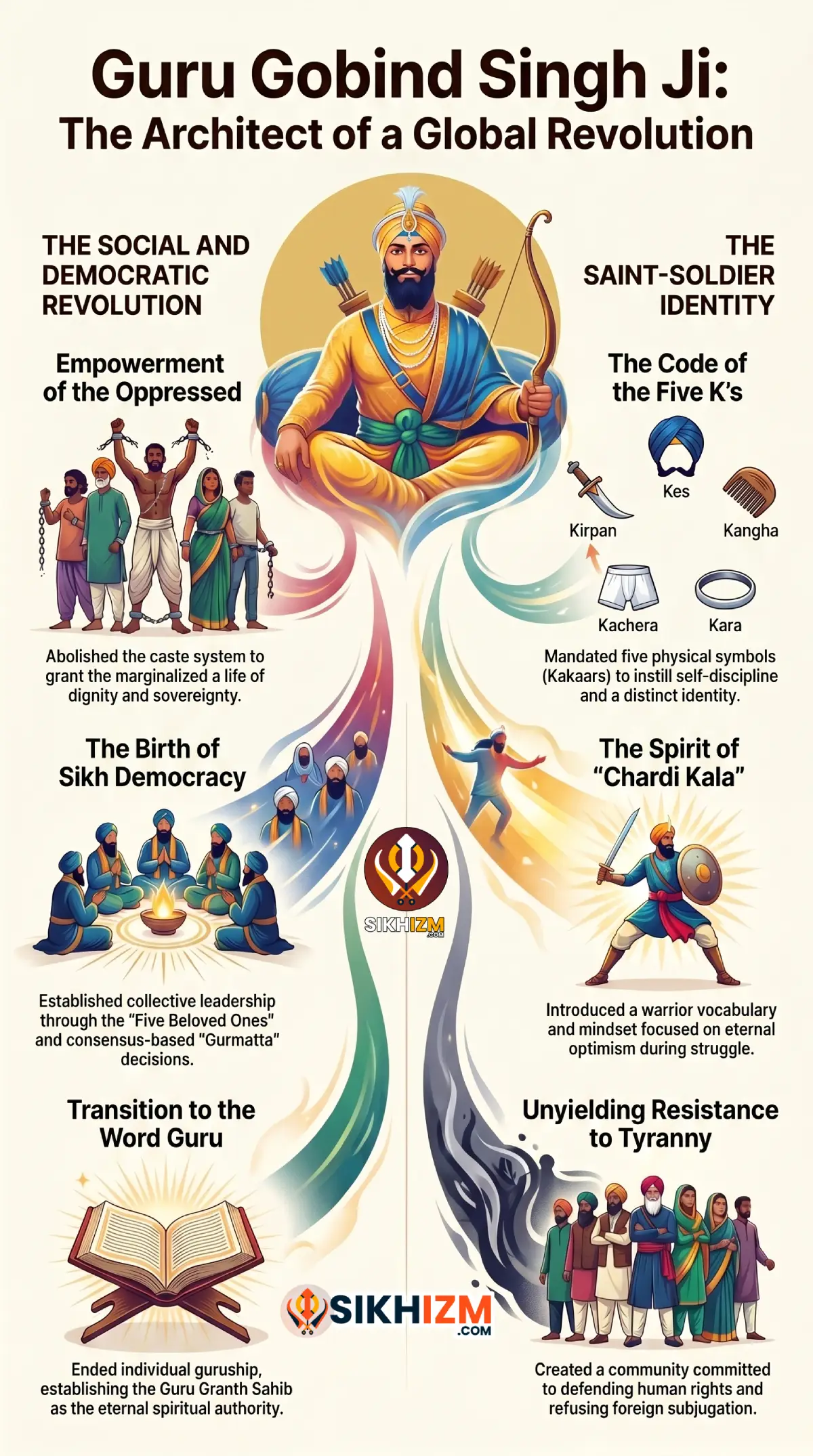
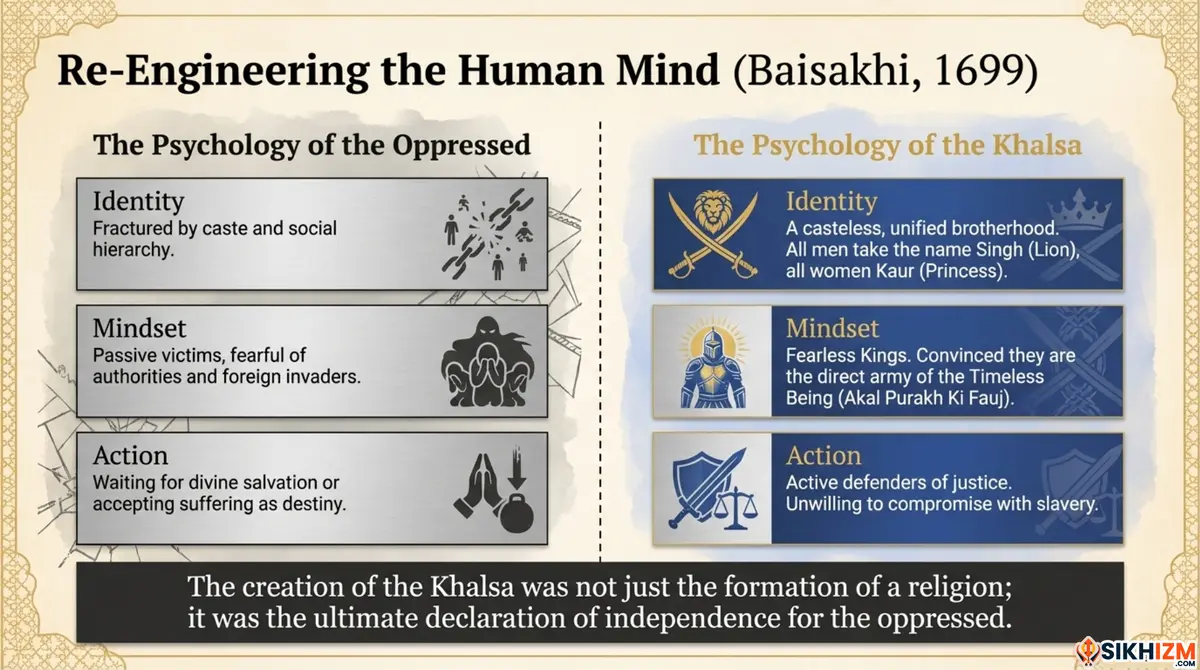
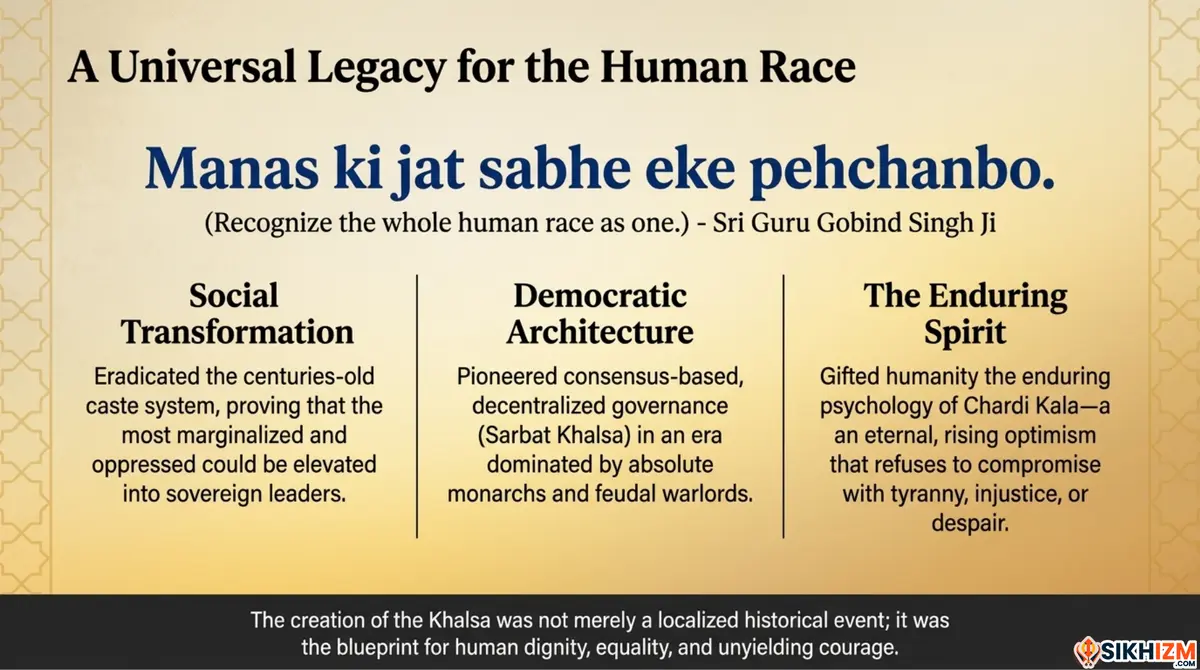
At last Guru Gobind Singh decided to create a community that would not only be iconoclastic and fights against all shams and taboos of caste, dress, diet, and status, but being worshippers of the One Supreme Being would look upon all humanity as one. Nay, they would be the spearhead of a worldwide movement for synthesis and dedicated service. Such a force was to wear a distinctive appearance as it often happens in almost every age and clime in respect of dedicated men and women. And such a force the Guru created in 1699 on the day of Baisakhi at Anandpur.
Thousands of people from far and near had gathered on this auspicious day to pay homage to the Guru. The Guru, a naked sword in hand, came to the congregation and asked for the head of a Sikh for the cause of Dharma. There was great consternation in the Assembly, but one by one five of them came forward to present their heads to the Guru, four of them belonging to the lower castes. The Guru called them his five beloveds (Panj Pyare - Bhai Daya Singh, Bhai Dharam Singh, Bhai Himmat Singh, Bhai Mohkam Singh, Bhai Sahib Singh) and administered to them sugared water stirred with a steel dagger over which they had read the Word of the Guru. This was called Amrit or (nectar) and when the Guru had administered it to them himself, he stood, with joined palms, before them, and said,
“Now it is my turn to be baptized by you”.
And so they baptized him, their Guru, thus emphasizing the democratic spirit of the faith. Truly has it been said of the Guru ;
“Blessed is Gobind Singh who is the Guru
and the disciple rolled into one.”
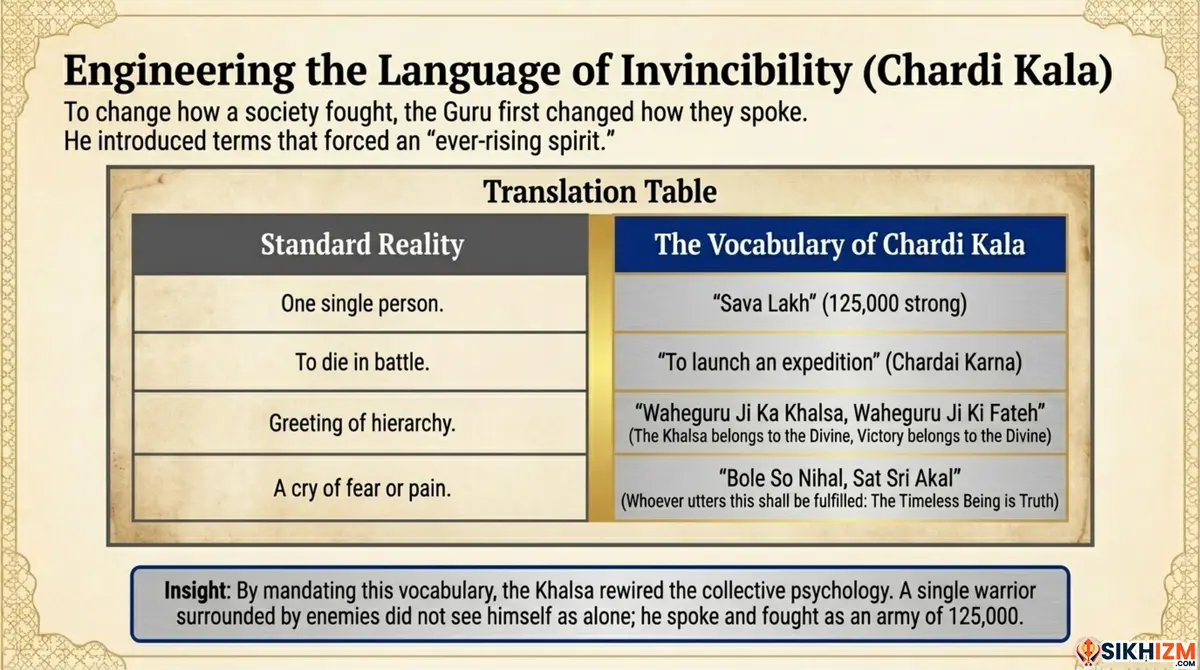
About 80,000 Sikhs were baptized similarly in a few days. Then the Guru asked to shed all superstitions of caste and birth, idol-worship, and belief in anything but the One God. They were told to keep ever-ready to defend the faith, not only theirs but even of others as Guru Tegh Bahadur had done before, for humanity, preached the Guru, was one. They were to act as a unifying force in the world and live to work, work to share, and share to Believe. “My Sikhs shall obliterate the differences, between Hindus and Muslims, touchable and untouchables, high and low, man and woman, and create one fraternity of man believing in the fatherhood of God.”
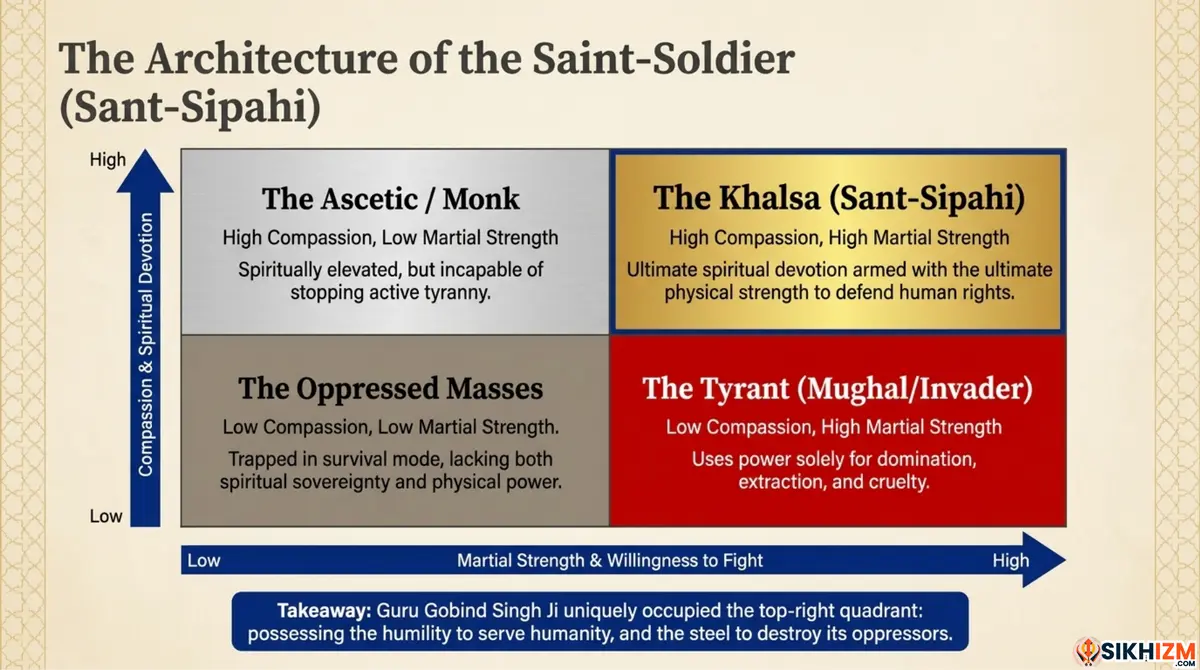
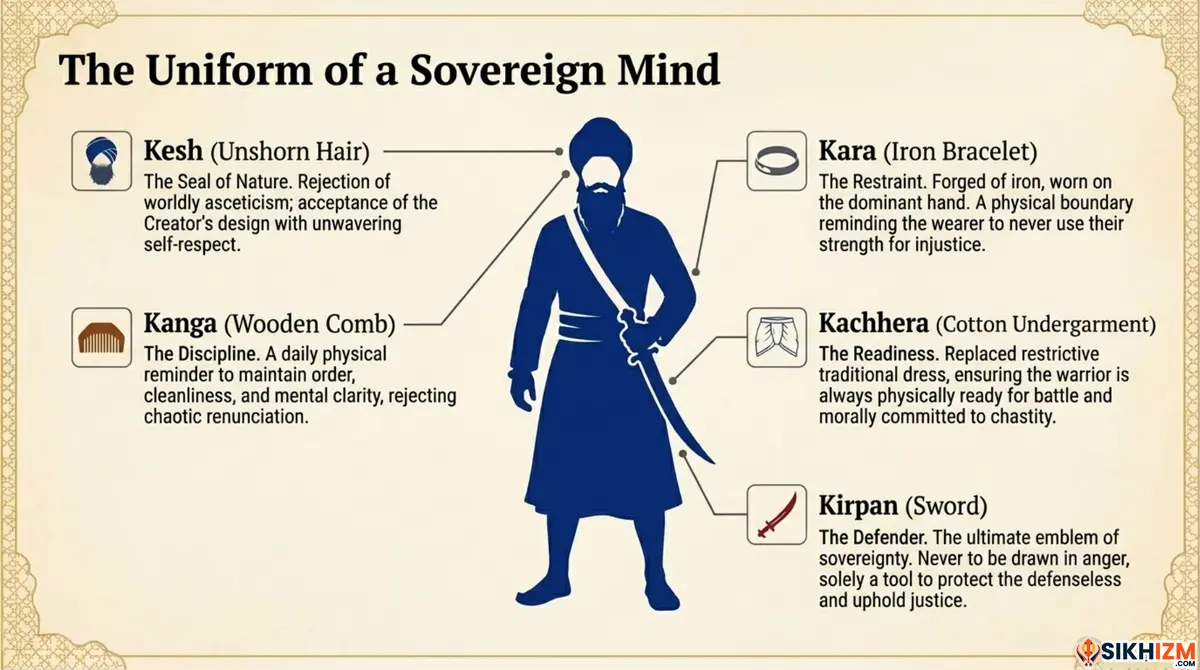
The Sikhs were also asked to wear the five K’s, namely Keshas (unshorn hair); Kangha, the comb, to keep them clean; Kara, the steel bangle, the symbol of the omnipresence of God, Kachhehra or drawers, the symbol of chastity; and Kirpan or the sword as a symbol of sovereign authority and resistance to evil. The Hindu hill chiefs were scared of this and sought the help of Aurangzeb to fight the rising power of the Guru.
Download Booklet Forged in Steel and Spirit PDF
04
of 06Leaving Fort of Anandpur Sahib
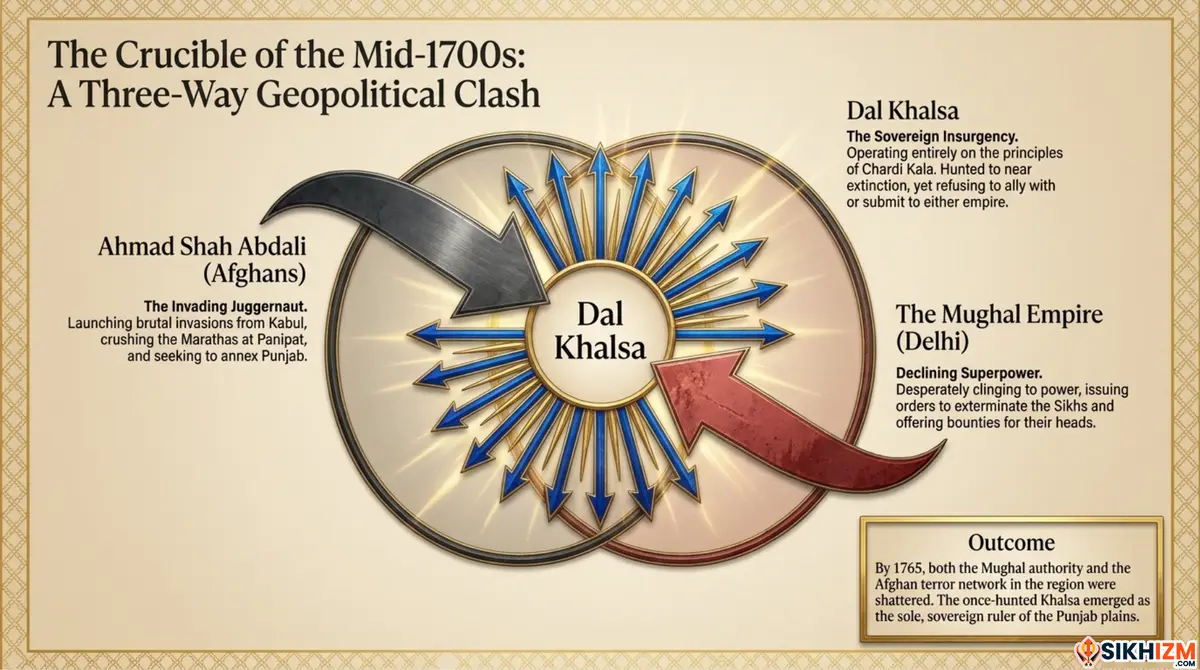
The Mughal emperor sent orders to the Nawabs of Sirhind and Lahore to assist them which they did and the whole force marched upon Anandpur in 1701. For three long years, they laid siege to the fort but the Guru did not capitulate, even though many of his followers died of hunger and thirst and many were slain on the battlefield. Forty Sikhs even disclaimed him and left for their homes in the thick of the night. But shamed by their womenfolk, they returned and died fighting later at Mukatsar. These are called the “Saved Ones” (Muktas).
The Guru wanted to hold his ground, but his followers persuaded him to leave the fort for some other place of safety. As soon as they came out, they were pounced upon by the enemy. The Guru’s family was separated from him, with only two elder sons remaining with him. He now moved towards Chamkaur (in the present district of Ambala), his mother, Gujri, with her two younger grandsons taking shelter with a Brahmin servant of theirs, named Gangu.
Gangu, however, betrayed them to the Nawab of Sirhind who got the two tender sons of Gobind bricked up alive. Mother Gujri died of shock. In the battle of Chamkaur which followed, the Guru lost his other two sons as well, and hard-pressed by the five Sikhs left with him in the improvised fortress, he escaped in disguise. Here, he was helped by two Pathans, Nabi Khan and Ghani Khan, who declared him to be a Muslim Pir and escorted him to safety through the Moghal forces that were combing the countryside in search of the Guru.
Crossing the forests of Machhiwara, he came to Jatpura, where another Muslim, Rai Kalha, offered him help. But as the imperial forces were pursuing him, the Guru left this place for Mukatsar in the Ferozepur district and collecting a small force pounced upon his adversaries. The Moghal forces were defeated, and the Guru now turned towards Talwandi Sabo, where he stayed for some time. It is now called Damdama Sahib, or the resting place, as well as the Guru’s Kashi.
For it is here that he completed the final, eternal form of the Guru Granth Sahib (known as the Damdami Bir). He formally incorporated the sacred Gurbani of the ninth Master, Guru Tegh Bahadur Ji, and standardized the daily Nitnem (liturgical prayers) at the beginning of the Granth, leaving the rest of the structure exactly as finalized by Guru Arjan Dev Ji.
05
of 06Zafar Nameh
From a place called Dina, he sent a letter, written in Persian verse, called Zafar Nameh (the letter of Victory) to Aurangzeb, saying that though lie called himself a religious man, he acted most irreligiously. He also reminded him that although his sons and many of his followers were killed, he himself was yet alive. Justifying his use of the sword, he said:
“When the affairs were past any other remedy,
I thought it righteous to unsheath the sword.”
Aurangzeb wrote back to him that he should come and see him. But before the Guru could do so, he heard that Aurangzeb had died. The Guru thereupon left immediately for Delhi and on Bahadur Shah seeking his help in the war of succession, the Guru helped him with a detachment. On being victorious, Bahadur Shah invited him to his court at Agra and offered him a robe of honor, a jeweled scarf, and a cash offering of Rs. 60,000. Negotiations proceeded about settling the differences between the house of Nanak and the house of Babur. But nothing came of them and the Guru thereupon left for the south and settled at Nanded in the Deccan.
Here, he converted a Bairagi, Madho Das, who, born in Rajauri in the Poonch district of Kashmir, had renounced the world and come to settle here on the banks of the Godavari, leading the life of a recluse. He was renamed Banda Singh, for he now called himself Banda (or the slave of the Guru) popularly known as Baba Banda Singh Bahadur.
It is here that the Guru met his end at the hands of two Pathans sent, it appears, by the Nawab of Sirhind who, scared of the Guru’s growing influence with the new Emperor, wanted to do him to death. The wound, inflicted by the Pathans (who were also put to death there and then) was sewn up, according to some writers, but it burst open later when the Guru was trying a bow. On October 7, 1708, he breathed his last.
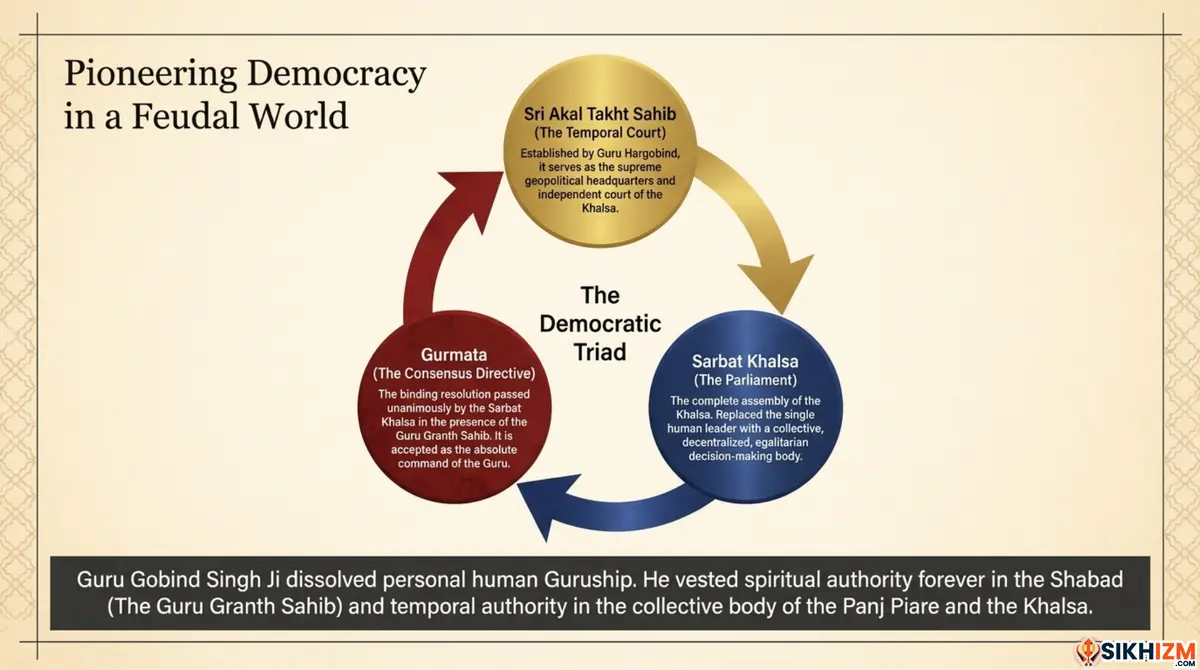
When the Sikhs asked him who their Guru would be in the future, he said, “The Word is the spiritual Guru as contained in the Adi Granth (Guru Granth Sahib): the secular Guru is the Panth or the whole Khalsa-in-faith,” Thus was democracy forever established in the spiritual as well as the social domains by the tenth Master.