
Table of Contents
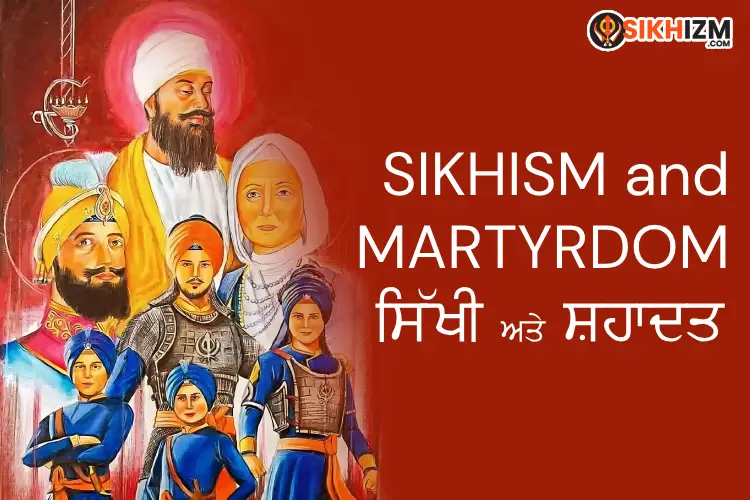
Sikhism and Martyrdom
Sikhism, founded in the 15th century by Guru Nanak Dev Ji, is not just a faith but a way of life. At its core, Sikhism teaches selflessness, equality, compassion, and an unwavering devotion to God. However, its greatest and defining principle, one of its most characteristic and defining, is the spirit of martyrdom the willingnes to stand for truth, justice, and righteousness and, if necessary, with the cost of life.
Sikhism does not accept martyrdom as an act of despair or loss. It is instead a celebration of faith and courage to its highest degree. Sikh martyrs have laid unmatched sacrifices over history and left legacies that influence millions. So let’s talk about the incredible stories behind the brave men who sacrificed their lives, who defined who Sikhs are and are part of creating the world that we know today.
1. Guru Arjan Dev Ji: The First Martyr of Sikhism
Guru Arjan Dev Ji the fifth Guru of the Sikhs sowed the seeds of Sikh martyrdom. Guru Arjan Dev Ji is known for compiling the Adi Granth (predecessor to Sri Guru Granth Sahib Ji) was the foundation for a spiritual and ethical community. The ruling Mughal emperor Jahangir got scared of his teachings and disliked people from all walks of life coming toward his teachings.
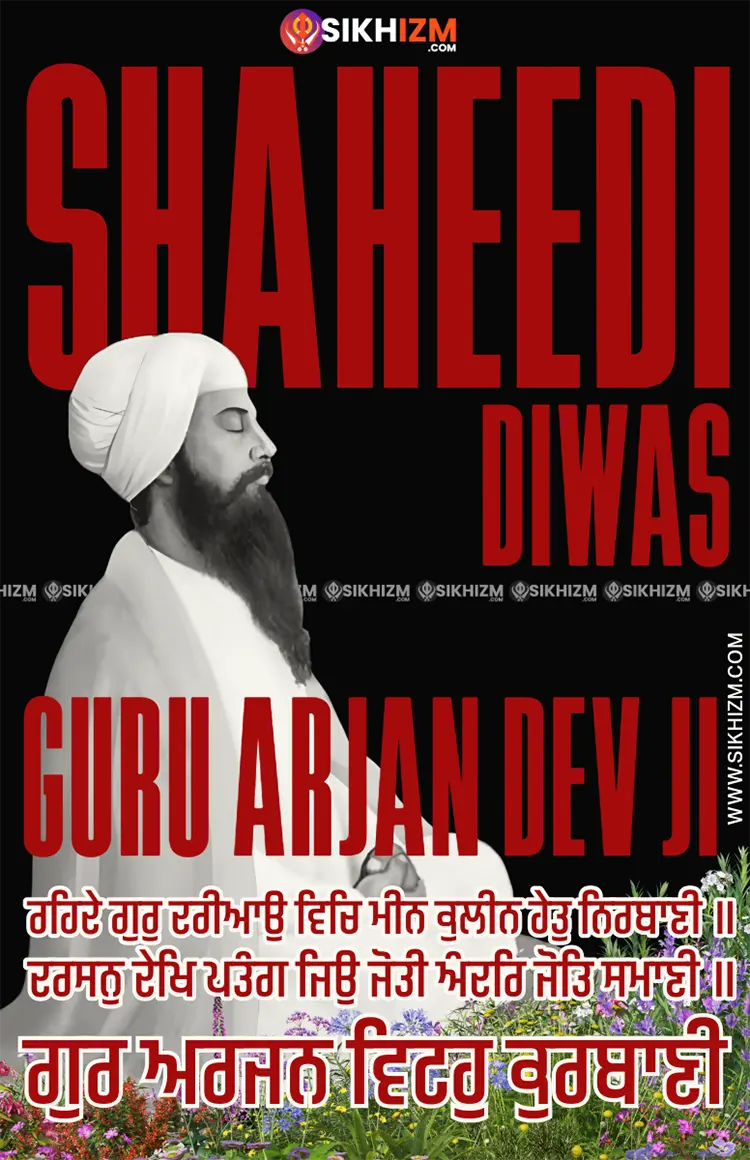 Guru Arjan Dev Ji was arrested under false accusations in 1606. He was tortured starting with the choicest methods: made to sit on a hot plate and to be scalded with scalding sand. Although Guru Ji was in unimaginable pain, he was still serene; meditating on God’s name. His martyrdom was a defining moment, emphasizing the Sikh commitment to upholding truth and justice, even in the face of persecution.
2. Guru Tegh Bahadur Ji: The Shield of Faith
Amongst the love and sacrifice for the Sikh religion, Guru Tegh Bahadur Ji, the ninth Sikh Guru, presented the Sikh spirit of further sacrifice. By 1675, the Mughal emperor Aurangzeb really wanted to force the subcontinent upon Islam. Faced with threats to their religious freedom, a group of Kashmiri Pandits sought Guru Tegh Bahadur Ji’s help. Guru Ji chose to defend their right to practice their faith, knowing the consequences could be fatal.
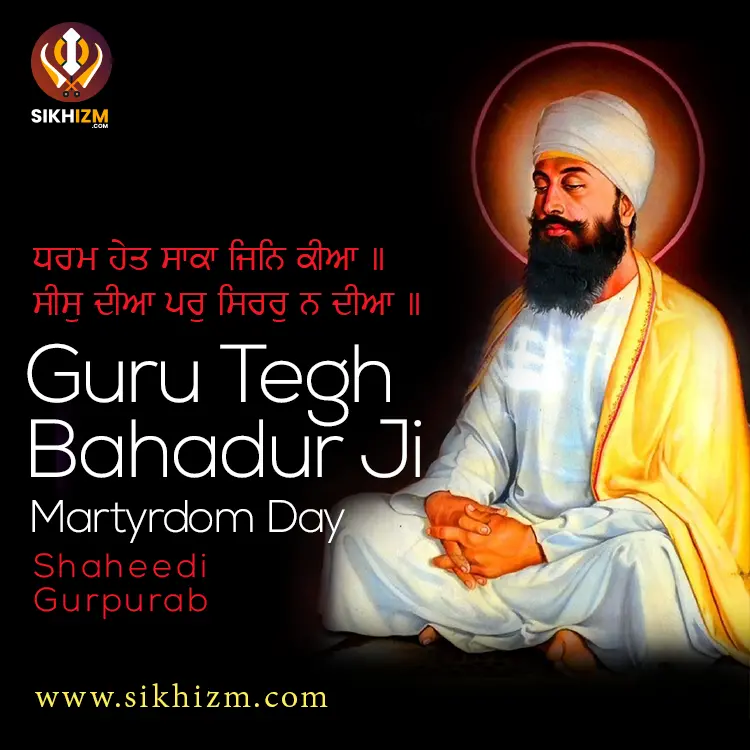 Arrested along with his disciples, Guru Tegh Bahadur Ji faced unimaginable tortures but refused to renounce his faith. Before him, his disciples were brutally executed, Bhai Mati Das, Bhai Sati Das and Bhai Dayala Ji. Next, in Delhi, Guru Ji was beheaded and died for the principle of religious freedom. His martyrdom today is a beacon of interfaith harmony and of human rights.
3. Chaar Sahibzaade and Guru Gobind Singh Ji
The Sikh's story of martyrdom can only be complete if their Chaar Sahibzaade, the four sons of Guru Gobind Singh ji, are honored. A revolutionary leader and the tenth Guru, Guru Gobind Singh Ji founded the Khalsa — a community of martial and saint soldiers, bound by righteousness. His sons held the same values that his son had years before: sacrifice and courage.
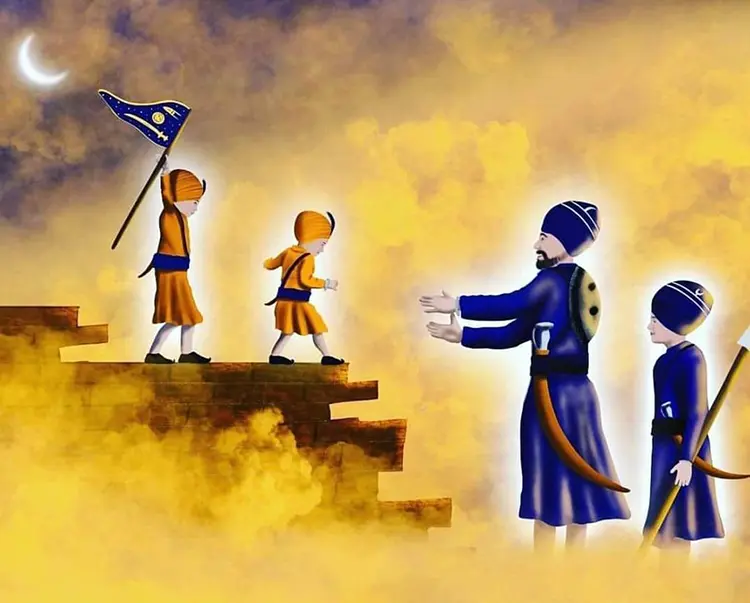
- Sahibzada Ajit Singh (18) Sahibzada Jujhar Singh (14) faced valorously at the Battle of Chamkaur against overwhelming Mughal army. They would not give up and distinguished themselves on the battlefield by dying in the spirit of the Khalsa.
- Sahibzada Zorawar Singh (9) and Sahibzada Fateh Singh (6) the younger sons were captured and were left subjected to great pressure to convert to Islam. Despite their tender age, they stood firm in their faith and were bricked alive, a sacrifice that left an indelible mark on Sikh history.
4. Baba Banda Singh Bahadur: The Revolutionary Martyr
After Guru Gobind Singh Ji’s passing in 1707 CE, there emerged a fearless leader and khalsa warrior who carried forward the Guru’s mission in form of Baba Banda Singh Bahadur. A former ascetic who was known by many names in the past—Lachhman Dev, Madho Das turned warrior, Banda Singh led a campaign against the oppressive Mughal regime, establishing the first Sikh kingdom in Punjab.
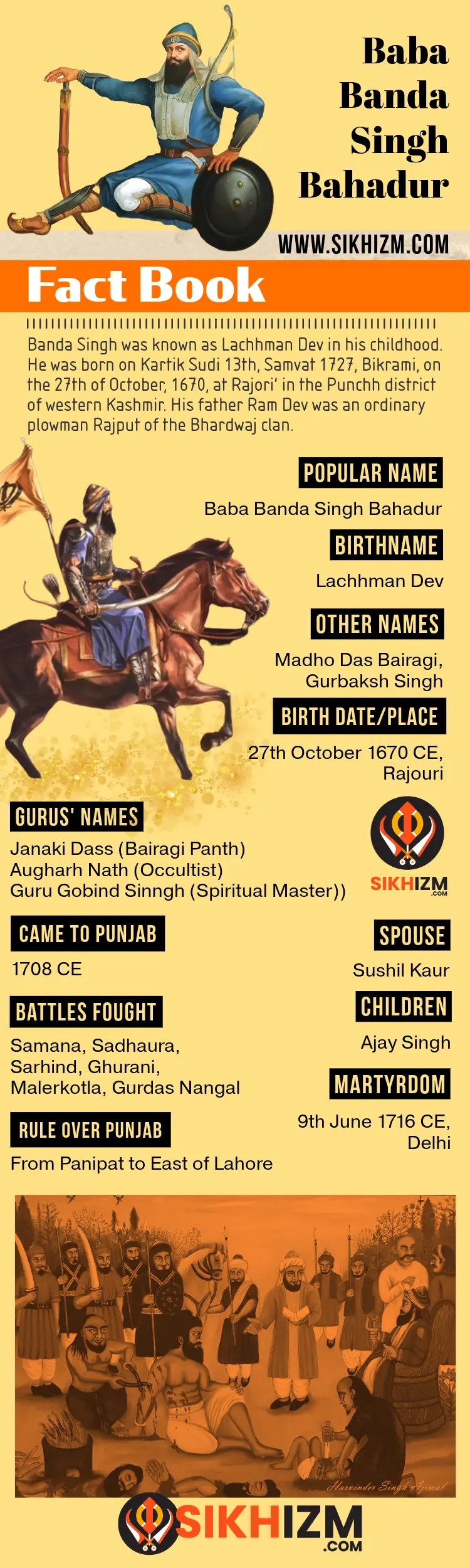 Baba Banda Singh was captured along with his followers in 1716. Banda Singh faced a slow and torturous death but remained steadfast in his beliefs. His courage inspired generations of Sikhs to stand against tyranny and injustice.
5. Baba Deep Singh Ji: The Warrior Saint
One of the most iconic figures in Sikh history, Baba Deep Singh Ji symbolizes the blend of spirituality and valor. A devout scholar and warrior, he was instrumental in preserving Sikh scriptures and defending the faith.
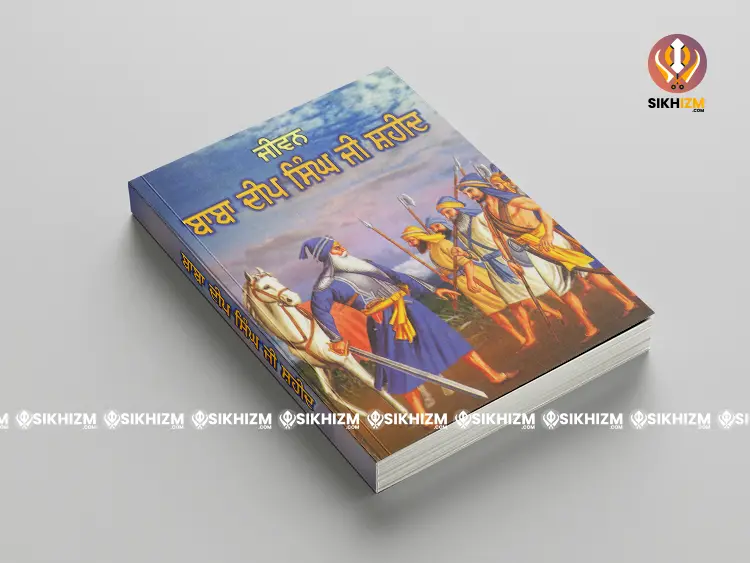
When Baba Deep Singh Ji was 75 years old, he led what he believed was a mission to free the Golden Temple (Harmandir Sahib) from desecration by Afghan invaders. During the legendary Battle of Amritsar, he fought with his life on the line. By tradition, Baba Deep Singh Ji kept on fighting, his severed head clutched in one, his sword in the other hand, right up to the grounds of Harmandir Sahib.
6. Bhai Mani Singh Ji: The Literary Martyr
Bhai Mani Singh Ji was also such a famous scholar in Sikh history who played a crucial role in the compilation and preservation of Sikh scriptures. In 1737 he refused to pay a discriminatory tax imposed by the Mughals for organizing a congregation of Sikh sangat. Bhai Mani Singh Ji was arrested and tortured and executed by dismemberment limb by limb.
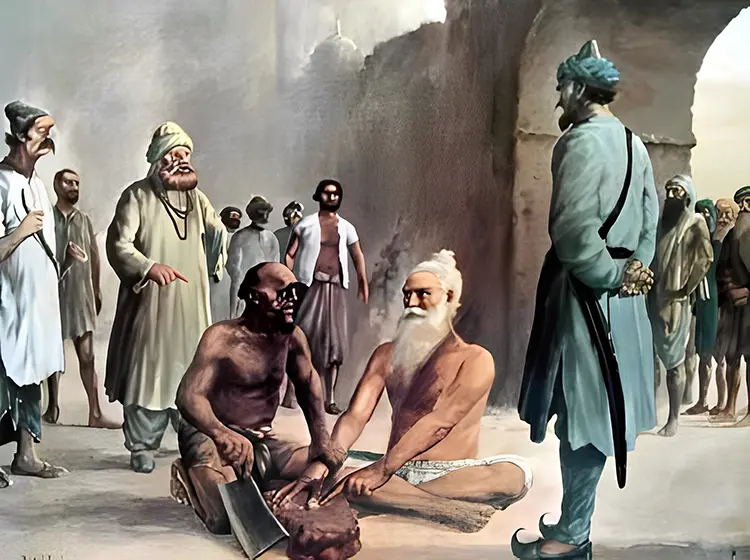
His sacrifice is not just a tale of martyrdom but also a testament to the importance of safeguarding Sikh heritage and values.
7. The Legacy of Sikh Martyrdom
What makes Sikh martyrdom unique is its underlying message: In the fight, the goal is never pursuit of riches, rather, people fight for a larger cause; justice, equality, and a freedom to practice one’s faith. Sikh martyrs didn’t just win battles they fought for other people’s rights — even if they didn’t share religion or other background.
Sikh martyrs courage continues to ring through today. A living legacy traces from movements of civil rights to Sikhs living diaspora in perpetual commitment to seva (selfless service).
Waheguru Ji Ka Khalsa, Waheguru Ji Ki Fateh!