


The four sons (Chaar Sahibzaade) of Guru Gobind Singh Sahib Ji, Sahibzada Ajit Singh, Sahibzada Jujhar Singh, Sahibzada Zorawar Singh, and Sahibzada Fateh Singh, were martyred during the 18th century in a battle against the Mughal Empire. They were all young boys at the time of their deaths, with Ajit Singh being the eldest at 18 years of age.
Sahibzada Ajit Singh and Sahibzada Jujhar Singh fought alongside their father in the Battle of Chamkaur in 1704*, where they were both killed. Sahibzada Zorawar Singh and Sahibzada Fateh Singh were captured by the Mughals and were bricked alive in 1705*.
Their martyrdom is remembered and celebrated by Sikhs as a symbol of their commitment to freedom and justice. The sacrifice of the four sons of Guru Gobind Singh Sahib Ji is considered a turning point in Sikh history and is often cited as an example of the ultimate sacrifice for one's faith and beliefs.
The Martyrdom of the Sahibzadas is celebrated during Bikrami, Nanakshahi month of Poh, December ( usually in the 4th Week of December) each year, known as Shaheedi Jor Mela, at Fatehgarh Sahib, Punjab, India.
Sahibzada Ajit Singh Ji and Jujhar Singh Ji
Sahibzada Ajit Singh and Sahibzada Jujhar Singh were the eldest and second eldest sons of Guru Gobind Singh Ji, the tenth Sikh Guru. They were born in Anandpur Sahib, a city in the Punjab region of India that was established by Guru Gobind Singh Ji as the primary center for the Sikh faith. Both brothers were trained in martial arts and were raised to be warriors in the service of their faith and community.
During the 18th century, the Mughal Empire, which ruled much of India at the time, was engaged in a prolonged conflict with the Sikhs. Guru Gobind Singh Ji and his followers were constantly on the move, evading the Mughal army and defending themselves against attacks. In 1704, the Mughals laid siege to Anandpur Sahib, the city where Sahibzada Ajit Singh and Sahibzada Jujhar Singh were born and raised. The brothers, along with their father and other Sikhs, fought bravely during the Battle of Chamkaur, but ultimately, the Mughals were able to breach the city's defenses.
Guru Gobind Singh Ji and a small group of his followers, including Sahibzada Ajit Singh and Sahibzada Jujhar Singh, managed to escape the city and flee into the surrounding hills. However, they were pursued by the Mughal army, and a fierce battle ensued. Sahibzada Ajit Singh and Sahibzada Jujhar Singh fought alongside their father and their fellow Sikhs with great courage and determination, but ultimately, they were outnumbered and outgunned. Both brothers were killed in the battle, alongside many of their fellow Sikhs.
The martyrdom of Sahibzada Ajit Singh and Sahibzada Jujhar Singh is remembered and celebrated by Sikhs as a symbol of their commitment to freedom and justice. The sacrifice of the two brothers is considered a turning point in Sikh history and is often cited as an example of the ultimate sacrifice for one's faith and beliefs. Their sacrifice and martyrdom also show the bravery and courage of the young age and their devotion towards their faith and Guru.
The death of Sahibzada Ajit Singh and Sahibzada Jujhar Singh was a great loss for the Sikh community, but it also served as a rallying cry for others to continue the struggle for freedom and justice. Guru Gobind Singh Ji, their father, continued to lead the Sikhs in their fight against the Mughals, and many Sikhs were inspired by the example of Sahibzada Ajit Singh and Sahibzada Jujhar Singh to take up arms and join the struggle.
The Martyrdom of Sahibzada Ajit Singh and Sahibzada Jujhar Singh is celebrated each year in the month of December, known as Shaheedi Jor Mela, at Chamkaur Sahib, Punjab, India. It is a sacred place for the Sikhs, where they visit and pay their respects to the Sahibzadas who gave their lives for their faith and community.
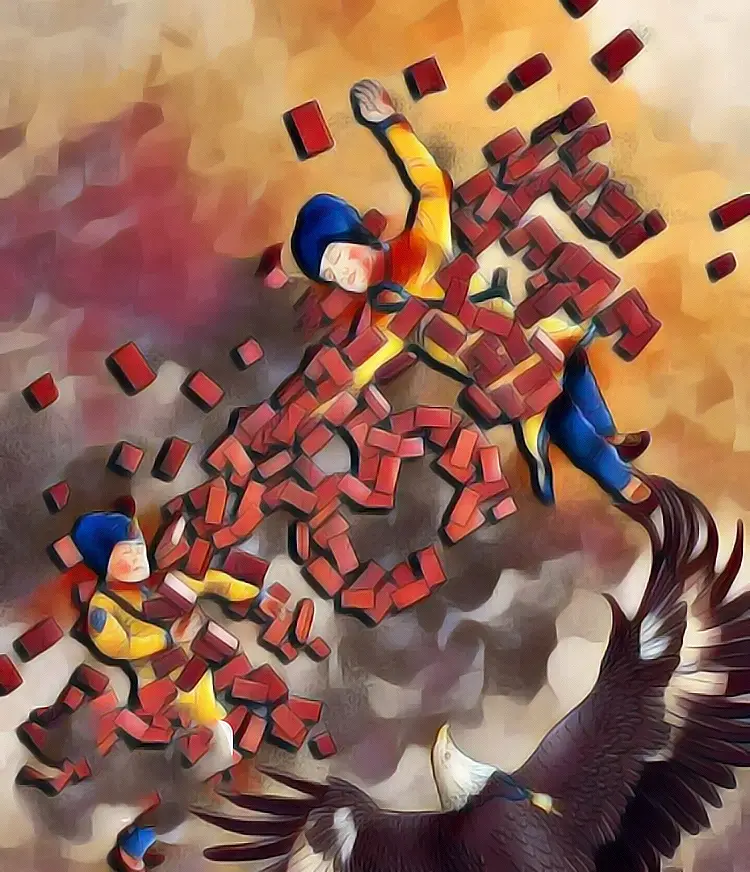
Sahibzada Zorawar Singh and Fateh Singh
During the battle of Chamkaur, Guru Gobind Singh Ji and a small group of his followers, including Sahibzada Zorawar Singh and Sahibzada Fateh Singh, managed to escape the city and flee into the surrounding hills. However, they were pursued by the Mughal army, and a fierce battle ensued. Sahibzada Zorawar Singh and Sahibzada Fateh Singh were separated from their father and other Sikhs and were captured by the Mughals.
The Mughals took the two young boys as prisoners and brought them to Sirhind, where they were presented to Wazir Khan, the governor of the region. Despite their young age, Sahibzada Zorawar Singh and Sahibzada Fateh Singh displayed immense courage and conviction in their faith. They refused to renounce their Sikh beliefs or to accept any of the luxuries offered to them by Wazir Khan.
Wazir Khan, outraged by the boys' refusal to convert to Islam, ordered that they be bricked alive. On December 26, 1705, Sahibzada Zorawar Singh and Sahibzada Fateh Singh were entombed within a wall of cement and bricks, resulting in their tragic death.
The martyrdom of Sahibzada Zorawar Singh and Sahibzada Fateh Singh is remembered and celebrated by Sikhs as a symbol of their commitment to freedom and justice. The sacrifice of the two brothers is considered a turning point in Sikh history and is often cited as an example of the ultimate sacrifice for one's faith and beliefs. The two brothers were just 9 and 6 years old respectively when they were martyred and their death is considered one of the most tragic and painful deaths in Sikh history.
The Martyrdom of Sahibzada Zorawar Singh and Sahibzada Fateh Singh is celebrated during the last week of December each year, known as Shaheedi Jor Mela, at Fatehgarh Sahib, Punjab, India. The place where the two brothers were martyred is today known as Fatehgarh Sahib and it is a sacred place for the Sikhs, where they visit and pay their respects to the Sahibzadas who gave their lives for their faith and community.
In conclusion, ( Chaar Sahibzaade ) Ajit Singh and Sahibzada Jujhar Singh, Zorawar Singh, and Fateh Singh were not just the sons of Guru Gobind Singh Ji, they were also warrior-saints who gave their lives in the service of their faith and community. Their sacrifice and martyrdom continue to inspire Sikhs to this day and serve as a reminder of the importance of standing up for one's beliefs and fighting for freedom and justice.