
ਬੰਸਾਵਲੀਨਾਮਾ ਦਸਾਂ ਪਾਤਸ਼ਾਹੀਆਂ ਕਾ — ਕੇਸਰ ਸਿੰਘ ਛਿੱਬਰ
(੯) ਨੌਵਾਂ ਚਰਣ — ਨੌਵੀਂ ਪਾਤਸ਼ਾਹੀ
Bansawalinama Dasan Patshahian Ka ("The Genealogical Account of the Ten Sovereigns") is an 18th-century Sikh chronicle composed by Kesar Singh Chhibbar, whose own family had served in the households of successive Gurus for generations. That inherited, insider vantage point is what makes the text valuable to historians — it reads less like devotional literature written to inspire, and more like an account from someone with direct institutional memory of how the Guru's household actually functioned.
Chapter 9 — "Ninth Charan, Ninth Patshahi" — covers the early life and eventual recognition of Guru Tegh Bahadur Ji, the ninth Guru. It traces his birth, his years at Bakala following Guru Hargobind Sahib's passing, his extended pilgrimage in search of an heir, an encounter with Ram Rai that turns him back toward Delhi, and — at its centre — the succession crisis that followed Guru Har Krishan Sahib Ji's cryptic final words, "Baba Bakale." Chhibbar's account of what happened next differs in real, substantive ways from the more famous devotional retellings most readers already know: the claims of Dhir Mal, the confusion among the sangat, and the process by which Guru Tegh Bahadur Ji came to be recognised are all described here with a directness — and an institutional matter-of-factness — that later, more literary sources smooth over.
This page presents the original Punjabi text of the chapter alongside an English translation, so readers can engage with the primary source directly rather than relying on secondhand summary.
ਚਉਪਈ — ਸੰਮਤ ਸੋਲਾਂ ਸੈ ਅਠੱਤ੍ਰ ਸੇ ਗਏ। ਦਿਨ ਮੰਘਰ ਮਹੀਨੇ ਦੇ ਉੱਨੀ ਸੇ ਭਏ।
In Samvat 1678, nineteen days of the month of Maghar had passed.
ਕ੍ਰਿਸ਼ਨਾ ਪੱਖ ਰੈਨ ਰਹੀ ਡੇਢ ਜਾਮ। ਬਿਸਾਖਾ ਨਖਤ੍ਰ ਜਨਮ, ਸ੍ਰੀ ਤੇਗ ਬਹਾਦਰ ਨਾਮ ।੧।
It was during the dark fortnight, with one and a half watches of the night remaining. Under the lunar constellation Vishakha, Sri Tegh Bahadur was born. His name was Tegh Bahadur. 1.
ਆਪ ਸੋਢੀ, ਨਾਨਕੇ ਖਤ੍ਰੀ ਲੰਮ। ਮਦਰ ਦੇਸ ਰਮਦਾਸ ਪੁਰੇ ਜਨੰਮ।
He himself belonged to the Sodhi lineage, while his maternal family was from the Lamma Khatri community. He was born in Ramdaspur in the region of Madra.
ਚਾਰ ਬਡੇ, ਇਹ ਸਭਨਾਂ ਤੇ ਨਿਕੜੇ ਭਾਈ। ਸੁਰਤਿ ਬੁਧਿ ਸੰਮਲ੍ਹੀ ਕਰਤਾਰਪੁਰ ਜਾਈ ।੨।
He had four elder brothers, and he was the youngest among them all. Possessing a thoughtful and discerning mind, he went to Kartarpur. 2.
ਸੰਮਤ ਸੋਲਾਂ ਸੈ ਛਿਆਸੀ ਜਬ ਗਏ। ਕਰਤਾਰਪੁਰ ਸੋ ਜਾਇ ਕੇ ਬਿਆਹ ਕਰਿ ਲਏ।
When Samvat 1686 came, he went to Kartarpur and got married.
ਧਾਮ ਸੁਭਿਖੀ ਖੱਤ੍ਰੀ ਸਾਹੁਰੇ ਜਾਤਿ। ਤਿਨ ਕੇ ਬਿਆਹੁ ਕੀਆ ਅਧਿਰਾਤਿ ॥੩॥
His in-laws were from the household of Subhikhi Khatri. He was married into their family in the middle of the night. 3.
ਮਾਤਾ ਗੁਜਰੀ ਆਈ ਤਾਂ ਕੇ ਧਾਮ । ਰਹਿਨ ਤੀਰ ਪਿਤਾ ਕੇ ਕਿਛੁ ਅਉਰ ਨ ਕਾਮ।
Mata Gujri came to his household and stayed there near his father, having no other purpose.
ਤਜਿ ਕਰਤਾਰਪੁਰ, ਕੀਰਤਪੁਰ ਗਏ। ਕੋਈ ਕਾਲ ਬਸੇ ਤਹਾਂ ਬੀਸ ਸਾਲ ਕੇ ਭਏ ।੪।
Leaving Kartarpur, they went to Kiratpur, where they remained for some time, for about twenty years. 4.
ਤਬ ਬਿਚਾਰੁ ਮਨ ਮੈ ਇਹੁ ਕੀਨਾ : "ਮੈਂ ਹਾਂ ਨਿੱਕੜਾ ਭਾਈ, ਅਸੀਂ ਹਾਂ ਤੀਨਾ।
Then he reflected in his mind: “I am the youngest brother, and there are three of us.
ਗੁਰਿਆਈ ਦੇ ਵਾਰਸ ਦੀਰਘ ਆਹਿ ਭਾਈ । ਮੈਂ ਤੀਜੇ ਅਸਥਾਨ, ਮੁਝਿ ਪਹੁੰਚ ਨ ਕਾਈ”।੫।
My brothers are the senior heirs to the Guruship. I stand third in succession, and there is no possibility of my attaining it.” 5.
ਬਡੀ ਤਪੱਸਿਆ ਜੋ ਤੀਰਥ ਕਰੀਏ। ਇਸ ਜਾਗ੍ਹਾ ਤਜਿ ਸ਼ਰੀਕੀ ਅਤੇ ਖਹੋ ਖਹੀ ਬੇਗ ਦੇ ਟੁਰੀਏ।
Let me undertake great austerities and pilgrimage. Let me leave this place, abandoning rivalry and quarrelling, and depart without delay.
ਕਛੁ ਦ੍ਰਬ ਅਤੇ ਕਬੀਲਾ ਲੈ ਕੇ ਟੁਰ ਪਏ । ਭਲੀ ਜੁਗਤਿ ਵਿਧਿ ਕਰਿ ਸੰਗਤਿ ਤੀਰਥ ਕਰਤੇ ਭਏ ॥੬॥
Taking some wealth and a few people of his household with him, he set out. In a proper and orderly manner, he travelled on pilgrimage with his companions. 6.
ਸੰਮਤ ਸਤਾਰਾਂ ਸੈ ਤੇਰ੍ਹਵੇਂ ਘਰੋਂ ਟੁਰੇ। ਨਾਲੇ ਅੰਸੁ ਨ ਹੋਈ, ਹਿਰਦਾ ਪਿਆ ਝੁਰੇ ।
In Samvat 1713, he left his home. He had no child with him, and his heart was filled with sorrow and longing.
ਪੰਜ ਬਰਸਾਂ ਵਿਚਿ ਤੀਰਥ ਪਰਸੇ। ਹਿਰਦਾ ਅੰਸ ਵਾਸਤੇ ਬਹੁਤੁ ਤਰਸੇ ॥੭॥
During those five years he visited places of pilgrimage. His heart greatly yearned for a child. 7.
ਅਤਿ ਦੀਨਤਾ ਕਰਿ ਸਾਹਿਬ ਸੁਣੀ ਅਰਦਾਸਿ।
With great humility, he prayed, and the Lord heard his supplication.
ਅਪਣੇ ਅੰਗ ਤੇ ਭੇਜਿਆ ਬੇਟਾ ਗੁਰੂ ਤੇਗ ਬਹਾਦੁਰ ਪਾਸ।
He sent his own son to Guru Tegh Bahadur.
ਨਗਰ ਪਟਨਾ ਮੈਂ ਜਬ ਆਵਤ ਭਏ। ਤਬ ਬਾਲਕ ਗੁਰੂ ਗੋਬਿੰਦ ਸਿੰਘ ਜੀ ਜਨਮ ਲਏ ।੮।
When he came to the city of Patna, the child Guru Gobind Singh Ji was born. 8.
ਸੰਮਤ ਸਤਾਰਾਂ ਸੈ ਅਠਾਰਾਂ ਕਹੀਐ। ਇਸ ਪਰ ਸਾਖ ਭੀ ਦਿਤੀ ਚਹੀਐ।
This is said to have happened in Samvat 1718. Testimony should also be given regarding this.
ਜੋ ਰਸਨੀਂ ਦਸਵੈ ਪਾਤਸ਼ਾਹ ਆਪ ਹੈ ਆਖੀ। ਅਰੁ 'ਬਚਿਤ੍ਰ ਨਾਟਕ' ਵਿਚਿ ਲਿਖ ਹੈ ਰਾਖੀ ।੯।
The Tenth Patshah himself spoke of it with his own tongue, and it has also been preserved in writing in the Bachittar Natak. 9.
'ਅਬ ਮੈ ਅਪਨੀ ਕਥਾ ਬਖਾਨੋ ॥ ਤਪ ਸਾਧਤ ਜਿਹ ਬਿਧਿ ਮੁਹਿ ਆਨੋ॥
“Now I shall relate my own story: the manner in which I came here while practising austerities.
ਹੇਮਕੁੰਟ ਪਰਬਤ ਹੈ ਜਹਾਂ। ਸਪਤ ਸਿੰਗ ਸੋਭਿਤ ਹੈ ਤਹਾਂ ॥੧॥
There is a mountain called Hemkunt, where seven magnificent peaks are situated. 1.
ਸਪਤ ਸਿੰਗ ਤਿਹ ਨਾਮੁ ਕਹਾਵਾ ॥ ਪੰਡੁ ਰਾਜ ਜਹ ਜੋਗ ਕਮਾਵਾ॥
That place is called the Seven-Peaked Mountain, where Pandu Raja is said to have practised yoga.
ਤਹ ਹਮ ਅਧਿਕ ਤਪਸਿਆ ਸਾਧੀ॥ ਮਹਾਕਾਲ ਕਾਲਿਕਾ ਅਰਾਧੀ ॥੨॥
There I performed intense austerities and worshipped Mahakal and Kalika. 2.
ਇਹ ਬਿਧਿ ਕਰਤ ਤਪਸਿਆ ਭਯੋ ॥ ਦੈ ਤੇ ਏਕ ਰੂਪ ਹੈ ਗਯੋ॥
While practising austerities in this manner, I became absorbed in that One Divine Being.
ਤਾਤ ਮਾਤ ਮੁਰਿ ਅਲਖ ਅਰਾਧਾ॥ ਬਹੁ ਬਿਧਿ ਜੋਗ ਸਾਧਨਾ ਸਾਧਾ ॥੩॥
I worshipped the Unseen and Unknowable, the Supreme Reality beyond father and mother, and practised many forms of yogic discipline. 3.
ਤਿਨ ਜੋ ਕਰੀ ਅਲਖ ਕੀ ਸੇਵਾ॥ ਤਾਂ ਤੇ ਭਏ ਪ੍ਰਸੰਨ ਗੁਰ ਦੇਵਾ॥
Through that service and devotion to the Unseen One, the Divine Guru became pleased.
ਤਿਨ ਪ੍ਰਭ ਜਬ ਆਇਸ ਮੁਹਿ ਦੀਆ॥ ਤਬ ਹਮ ਜਨਮ ਕਲੂ ਮਹਿ ਲੀਆ ॥੪॥ ।੧੩
When the Lord gave me His command, then I took birth in the Age of Kali. 4. 13.
ਇਹ ਜਤਨ ਕਰਿ ਤੇਗ ਬਹਾਦੁਰ ਜੀ ਬਾਲਕ ਪਾਇਆ।
Through these efforts, Tegh Bahadur Ji was blessed with a son.
ਹਿਰਦਾ ਭਇਆ ਪ੍ਰਸੰਨ, ਚਿਰੰਜੀਤ ਸੁਤ ਪਾਇਆ।
His heart became joyful, for he had received a long-lived son.
ਕੋਈ ਕਾਲ ਤਹਾਂ ਰਹੇ ਪਟਨਾ ਮੋ ਬਾਸੀ।
For some time they remained there, residing in Patna.
ਖਬਰ ਈਹਾਂ ਤੇ ਗਏ ਗੁਰੂ ਹਰਿਰਾਇ ਦਿਵਲੋਕ ਸਿਧਾਸੀ ।੧੪।
From there came the news that Guru Har Rai had departed for the Divine Realm. 14.
ਤੇਗ ਬਹਾਦੁਰ ਸੁਣ ਕੇ ਤਹਾਂ ਤੇ ਟੁਰਿ ਆਏ।
Hearing this, Tegh Bahadur left that place and came away.
ਆਵਤ ਮਾਰਗਿ ਖਬਰ ਸੁਨੀ: 'ਸ੍ਰੀ ਹਰਿਕ੍ਰਿਸ਼ਨ ਜੀ ਦਿੱਲੀ ਸਿਧਾਏ’।
On the way, he heard the news: “Sri Har Krishan Ji had departed for Delhi.” 15.
ਰਾਮ ਰਾਇ ਜੀ ਆਇ ਮਿਲੇ ਤਿਨ ਸਭ ਕੀਆ ਬਖਾਨ:
Ram Rai Ji came and met him and related everything:
“ਪਿਤਾ ਟਿੱਕਿਆ ਹਰਿਕ੍ਰਿਸ਼ਨ ਕੋ, ਮੈਂ ਕੀਤਾ ਜੁਦਾ ਅਸਥਾਨ ।੧੫।
“I had installed Har Krishan as father/Guru, while I established myself separately.” 15.
ਅਉਰੰਗੇ ਨੂੰ ਮਿਲ ਕੇ ਮੁਲਖੁ ਅਸਾਂ ਲਿਆ ਇਨਾਮ । ਦਿਖਾਈ ਅਜ਼ਮਤ ਪਰ ਕੀਤਾ ਅਪਣਾ ਕਾਮ ।
“Having met Aurangzeb, I received a territory as a reward. I demonstrated my greatness and accomplished my purpose.
ਵੈਰ ਭਾਵ ਤਜਿ ਅਸੀਂ ਕਿਨਾਰੇ ਉਠਿ ਆਏ।
Abandoning hostility and resentment, I came away to this side.
ਬਾਬਾ ਜੀ ਛੋਡਿ ਹਰਿਕ੍ਰਿਸ਼ਨ ਕਿਉ ਉਠਿ ਦਿੱਲੀ ਧਾਏ।੧੬।
Why should Baba Ji leave Har Krishan and hasten to Delhi?” 16.
ਤੁਰਕ ਬੇਪੀਰੁ ਇਕੇ ਅਜ਼ਮਤ ਪੁਛੇ, ਇਕੇ ਧਰਮ ਗਵਾਇ।
“The Turk, devoid of spiritual guidance, asks some about their greatness and causes others to lose their religion.
ਏਹ ਨੈਦਾਨ ਇਆਣਾ ਬਾਲਕ, ਲੈਣਾ ਕੀ ਸੀ ਉਥੇ ਜਾਇ।”
This was an inexperienced, innocent child; what could he possibly have gained by going there?”
ਏਹ ਗੱਲਾਂ ਸੁਣਿ ਗੁਰੂ ਤੇਗ ਬਹਾਦੁਰ ਜੀ ਉਠਿ ਆਏ ਬਕਾਲੇ।
Hearing these things, Guru Tegh Bahadur Ji went to Bakala.
ਛੋਟੇ ਹੋਂਦੇ ਉਥੇ ਰਹੇ ਸੇ, ਪਿਤਾ ਅਪਨੇ ਦੇ ਨਾਲੇ ।੧੭।
He had lived there in his childhood, together with his father. 17.
ਬਿਆਸ ਨਦੀ ਉਪਰਿ ਦੋਨੋ ਥੇ ਗਾਂਉ। ਬਕਾਲਾ ਅਤੇ ਬੁਤਾਲਾ ਦੋਹਾਂ ਦੇ ਨਾਉਂ।
There were two villages on the banks of the Beas River, named Bakala and Butala.
ਉਥੇ ਆਏ ਤਾਂ ਦਿੱਲੀਓਂ ਖਬਰ ਆਈ: 'ਹਰਿ ਕ੍ਰਿਸ਼ਨ ਜੀ ਗਏ ਦਿਵਲੋਕ ਸਿਧਾਈ'।੧੮।
When they arrived there, news came from Delhi: “Har Krishan Ji has departed for the Divine Realm.” 18.
'ਬਾਬਾ ਬਕਾਲੇ' ਇਹੁ ਬਚਨ ਕਹਿ ਗਏ। ਤੇਗ ਬਹਾਦੁਰ ਜੀ ਬਕਾਲੇ ਥੇ ਆਵਤ ਭਏ ।
He had left behind these words: “Baba is at Bakala.” Tegh Bahadur Ji then came to Bakala.
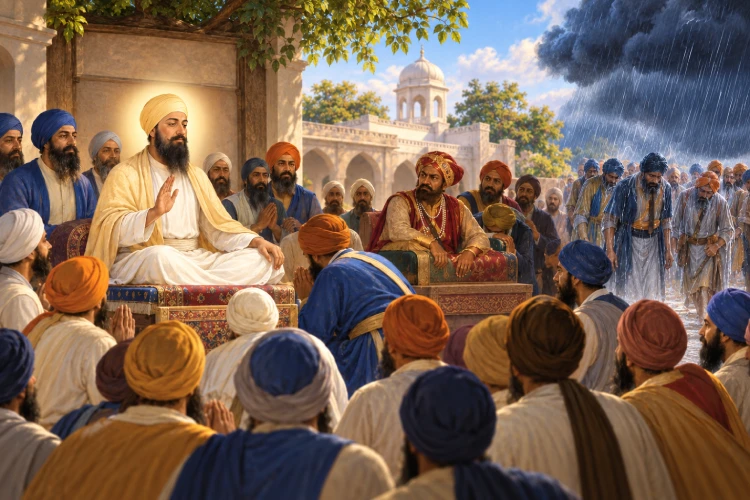
ਤਹਾਂ ਸੰਗਤਿ ਸਭ ਆਵਤ ਭਈ। ਘਰਿ ਘਰਿ ਮੰਜੀ ਤਹਾਂ ਗੁਰਿਆਈ ਕੀ ਪਈ ।੧੯।
The entire congregation began coming there. In house after house, claims to the Guruship were being established. 19.
ਧੀਰਮੱਲ ਕਹੇ: "ਗੁਰਿਆਈ ਹੈ ਅਸਾਡੀ।
Dhir Mal said: “The Guruship belongs to us.
ਹਰਿਕ੍ਰਿਸ਼ਨ ਜੋ ਕਹਿਆ 'ਬਾਬਾ ਬਕਾਲੇ' ਅਸੀਂ ਬਾਬੇ ਹਾਂ ਆਦੀ।
When Har Krishan said, ‘Baba is at Bakala,’ we are the original Babas.
ਬਾਬੇ ਗੁਰਦਿਤੇ ਦੀ ਅਸੀਂ ਅਉਲਾਦਿ । ਤੇਗ ਬਹਾਦੁਰ ਹੈ ਪੰਜਵੀਂ ਜਾਗ੍ਹਾ, ਅਸੀ ਬਾਬੇ ਆਦਿ” ।੨੦।
We are the descendants of Baba Gurditta. Tegh Bahadur is fifth in the line, whereas we are the original Babas.” 20.
ਸੋ ਸਮਝ ਨ ਕੀਤੀ, ਕਰਿ ਮਤਸਰੀ ਮੰਜੀ ਪਾਈ। ਇਤਨੀ ਸਮਝ ਨ ਮਨ ਮੈ ਆਈ।
He did not understand the matter properly and, out of jealousy, established a manjī (seat of Guruship). He did not comprehend even this much.
ਬਾਬਾ ਬਕਾਲੇ ਜੋ ਉਨਿ ਕਹਿਆ। ਸੋ ਜੀਂਵਦਾ ਕਿ ਮੋਇਆ ਬਹਿ ਰਹਿਆ ।੨੧।
He did not understand that when Har Krishan had said, “Baba is at Bakala,” it referred to someone who was actually alive and present there, rather than simply making his own claim. 21.
ਬਾਬਾ ਗੁਰਦਿੱਤਾ ਤਾਂ ਗਿਆ, ਸੁਰਗ ਸਿਧਾਇ। ਬੈਠਾ ਸਲਾਮਤ ਬਾਬਾ ਤੇਗ ਬਹਾਦੁਰ ਆਇ।
Baba Gurditta had departed and gone to heaven. Baba Tegh Bahadur, however, was sitting there safely and peacefully.
ਧੀਰਮੱਲ ਜੀ ਦੁਖ ਸਰੀਕੀ ਦਾ ਲਗੇ ਕਰਨ । ਨਾਲੇ 'ਚਾਚਾ ਚਾਚਾ' ਕਰਿ ਸਿਰ ਚਰਨਾਂ ਤੇ ਧਰਨ ।੨੨।
Dhir Mal began to express his distress over the family rivalry, while also addressing Tegh Bahadur as “uncle, uncle” and placing his head at his feet. 22.
ਸੰਗਤਿ ਧੀਰਮੱਲ ਦੇ ਭੀ ਜਾਏ। ਨਾਲੇ ਤੇਗ ਬਹਾਦੁਰ ਦੇ ਭੀ ਲੋਕ ਆਏ।
Some of the congregation went to Dhir Mal, while people also came to Tegh Bahadur.
ਲੋਕ ਅਜ਼ਮਾਇ ਅਜ਼ਮਾਇ ਪੈਰੀਂ ਪਵਨ । ਨਾਲੇ ਇਧਰ ਆਵਨ, ਨਾਲੇ ਧੀਰਮੱਲ ਦੇ ਜਾਵਨ ।੨੩।
People tested and examined them both, approaching and bowing at their feet; some came here, while others went to Dhir Mal. 23.
ਪੰਜਵੇਂ ਮਹੀਨੇ ਸੰਗਤਿ ਦਿੱਲੀ ਦੀ ਆਈ।
In the fifth month, the congregation from Delhi arrived.
ਨਾਲੇ ਦਿਵਾਨ ਦਰਗਹਿ ਮੱਲ, ਨਾਲੇ ਗੁਰੂ ਕੇ ਸਿਖ ਵਡੇ ਭਾਈ।
Along with them came Diwan Dargah Mal and prominent elder Sikhs of the Guru.
ਗੁਰੂ ਕੇ ਨਫਰ ਚਾਕਰ ਟਹਲੀਏ ਮੁਸੱਦੀ ਸਭ ਆਏ।
The Guru’s servants, attendants, and scribes all came.
ਜਿਤਨੇ ਗੁਰੂ ਹਰਿਕ੍ਰਿਸ਼ਨ ਜੀ ਨਾਲ ਆਹੇ ਸਿਧਾਏ ।੨੪।
All those who had been with Guru Har Krishan Ji and had accompanied him also came. 24.
ਅਗੋਂ ਸੁਣਿਆ ਬਾਈ ਮੰਜੀਆਂ ਗੁਰੂ ਬਣ ਬੈਠੇ ਬਹੁਤੇ।
They heard that many—twenty-two—had established manjīs and were sitting as Gurus.
ਵਕੀਲ ਸਭਨਾਂ ਦੇ, ਨਾਲੇ ਧੀਰਮੱਲ ਦੇ ਜਾਇ ਪਹੁਤੇ।
Representatives of all of them, as well as of Dhir Mal, had arrived.
ਸਭੋ ਆਪੋ ਆਪਣੇ ਵਲਿ ਸੱਦਣ। ਸਭੋ ਆਪਣੇ ਆਪ ਨੂੰ ਗੁਰੂ ਕਰਿ ਬੱਦਣ ।੨੫।
Each one called people toward his own side, and each declared himself to be the Guru. 25.
ਸਭੇ 'ਸੋਢੀ' ਸਭੇ ਸਾਹਿਬਜ਼ਾਦੇ। ਘਟਿ ਵਧਿ ਕਿਸ ਨੂੰ ਕੋਈ ਆਖੇ, ਸਭੇ ਚੰਗੇ ਪੀਉ ਦਾਦੇ।
All of them were Sodhis, all were sons or descendants of the Gurus. Whether one was greater or lesser, no one could easily say, for all came from respected fathers and grandfathers.
ਅਣੀਰਾਇ ਅਤੇ ਸੂਰਤਿ ਸਿੰਘ ਦੀ ਉਲਾਦ। ਪੁੱਤ ਪੋਤੇ ਬਾਬੇ ਗੁਰਦਿੱਤੇ ਥੀਂ ਆਦਿ।੨੬।
They were descendants of Anī Rai and Surat Singh, and were sons and grandsons descended from Baba Gurditta and those before him. 26.
ਸਭੇ ਪਾਇ ਮੰਜੀਆਂ ਗੁਰੂ ਬਣਿ ਬੈਠੇ। ਗੁਰੂ ਇਕ ਕਿ ਸਭੇ ਗੁਰੂ ਇਕੱਠੇ ?
All of them had established manjīs and sat as Gurus. Was there one Guru, or were all of them Gurus together?
ਸੰਗਤਿ ਬੈਠਿ ਲਗੀ ਕਰਨ ਬੀਚਾਰ: "ਅਗੇ ਹੈਨ ਬਹੁਤੇ ਦਰਬਾਰ” ।੨੭।
The congregation sat together and began to deliberate: “There are many courts and assemblies before us.” 27.
ਦੀਵਾਨ ਦਰਗਹਿ ਮਲ ਸੰਗਤਿ ਦੇ ਵਿਚਿ ਸੱਦ ਬਹਾਇਆ।
Diwan Dargah Mal was called and seated among the congregation.
ਕਹੋ ਜੀ! ਵਕੀਲ ਹੈਨ ਸਭਨਾਂ ਦੇ ਆਇਆ ?
He was asked, “Tell us, have representatives from all of them arrived?
ਅਸੀਂ ਦਰਬਾਰ ਬਡਾ ਜਾਣਿ ਕਿਸ ਦੇ ਜਾਈਐ।
Knowing that there are many great assemblies, whose court should we go to?
ਤੁਸੀ ਹੋ ਵੱਡੇ, ਜਿਥੇ ਆਖੋ, ਉਥੇ ਜਾਇ ਸੀਸ ਨਿਵਾਈਐ।੨੮।
You are senior and respected; wherever you say, there we shall go and bow our heads.” 28.
ਦੀਵਾਨ ਦਰਗਹਿ ਮੱਲ ਕਹਿਆ: “ਵੱਡਾ ਦਰਬਾਰ ਹੈ ਗੁਰੂ ਤੇਗ ਬਹਾਦੁਰ,
Diwan Dargah Mal said: “The greater court is that of Guru Tegh Bahadur,
ਜੋ 'ਬਾਬਾ ਬਕਾਲੇ' ਬੈਠਾ ਹੈ ਸਲਾਮਤ ਹਾਜ਼ਰ।
who is sitting safely and present at Bakala as the ‘Baba.’
ਵਿਚਿ ਬਕਾਲੇ ਜਿਸ ਦਾ ਦਰਬਾਰੁ। ਸਭ ਚਲਿ ਕਰੀਏ ਉਥੇ ਜੁਹਾਰ ।੨੯।
His court is at Bakala. Let us all go there and offer our obeisance there.” 29.
ਸਭਨਾਂ ਹੈਨਿ ਵਕੀਲ ਪਠਾਇਆ। ਤੇਗ ਬਹਾਦੁਰ ਦਾ ਨਹੀਂ ਕੋਈ ਆਇਆ।
Representatives had been sent by all the others, but no representative had come for Tegh Bahadur.
ਸਭੇ ਲਗੇ ਆਖਨ: "ਚਲੋ ਉਸ ਦੇ ਦਰਬਾਰਿ। ਚਲਿ ਓਥੇ ਸਭ ਕਰੋ ਜੁਹਾਰਿ” ।੩੦।
Everyone began saying, “Let us go to his court. Let us all go there and offer our obeisance.” 30.
ਸੰਗਤਿ ਟੁਰੀ ਤੇਗ ਬਹਾਦੁਰ ਵਲਿ। ਕੁਛ ਵਿਚੋਂ ਫਾੜਿ ਵਕੀਲ ਲੈ ਚਲੇ ਘਰਿ ਧੀਰ ਮੱਲ।
The congregation set out toward Tegh Bahadur. Some of them pulled representatives away from the group and took them toward Dhir Mal’s house.
ਭਾਦੋਂ ਦਾ ਮਹੀਨਾ ਅੱਧਾ ਸੀ ਗਿਆ । ਜੋ ਧੀਰਮੱਲ ਵਲਿ ਸੇ ਟੁਰੇ, ਤਿਨਾਂ ਨੂੰ ਟੁੱਟ ਬੱਦਲ ਪਿਆ ।੩੧।
Half of the month of Bhadon had passed. Those who had set out toward Dhir Mal were caught by a sudden downpour of rain. 31.
ਉਹੁ ਭੀ ਮੁੜਿ ਆਏ ਸਭੇ ਏਧਰ । ਆਖਣ : “ਗੁਰੂ ਛਡਿ ਅਸੀ ਚਲੈਂ ਕੈ ਧਿਰ।”
They too all turned back this way and said, “Leaving the Guru, how can we go to either side?”
ਸੰਗਤਿ ਸਾਰੀ ਗੁਰੂ ਤੇਗ ਬਹਾਦੁਰ ਦੇ ਆਈ। ਜੈ ਜੈਕਾਰ ਸਭ ਕਰੇ ਲੁਕਾਈ ।੩੨।
The entire congregation came to Guru Tegh Bahadur, and everyone raised cries of victory and praise. 32.
ਧੀਰ ਮੱਲ ਸੁਣ ਕੇ ਗੁੱਸਾ ਮੰਨਿਆ। ਸੱਚਾ ਦਰਬਾਰ ਗੁਰੂ ਚਾਚੇ ਦਾ ਬਣਿਆ।
Hearing this, Dhir Mal became angry. The true court of his uncle, the Guru, had been established.
ਗੁਰੂ ਤੇਗ ਬਹਾਦੁਰ ਸਭੇ ਰਖ ਲਏ। ਚਾਕਰ ਨਫਰ ਮੁਸੱਦੀ ਜੋ ਗੁਰੂ ਹਰਿਕ੍ਰਿਸ਼ਨ ਦੇ ਗਏ ।੩੩।
Guru Tegh Bahadur kept with him all the servants, attendants, and scribes who had previously been with Guru Har Krishan. 33.