
Table of Contents
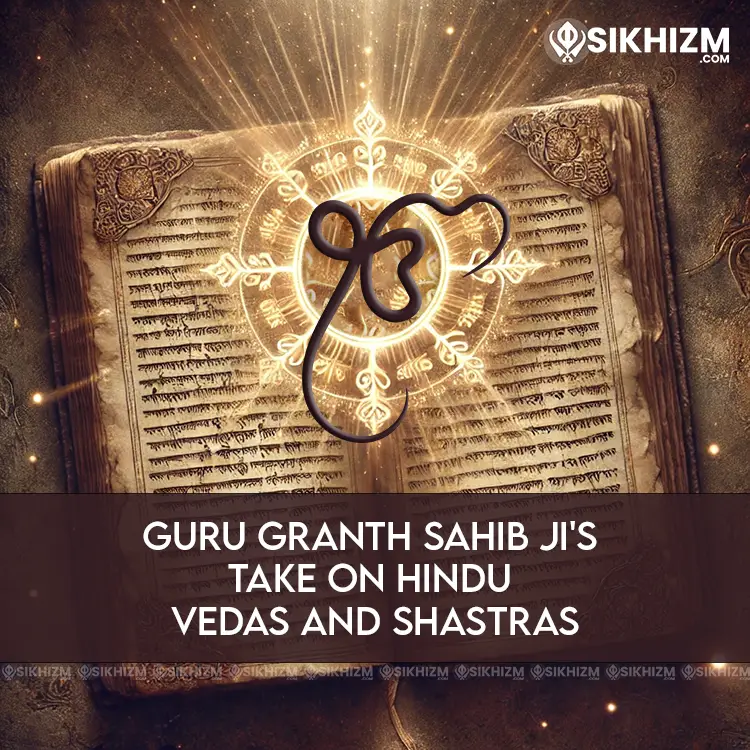
The Guru Granth Sahib Ji is the central religious scripture of Sikhism, revered by Sikhs as the eternal Guru. It is a compilation of hymns (Shabads) composed by Sikh Gurus, Bhagats (saints), and Sufis, and it reflects a wide range of spiritual thoughts and teachings that guide us toward truth, wisdom, and liberation (Mukti). Among the many subjects it addresses, the Guru Granth Sahib Ji also discusses the relevance and limitations of the Hindu Vedas, Shastras, Smritis, and other religious texts from the Sanatana Dharma tradition.
The Vedas and Shastras are considered sacred in Hinduism, regarded as the ultimate source of knowledge and divine law. However, the Guru Granth Sahib Ji, while acknowledging their historical and religious significance, often critiques them for their emphasis on rituals, caste distinctions, and material attachment. It presents an alternative, focusing on inner devotion, divine grace, and the significance of Naam Simran (the remembrance of God’s name) over mere external practices.
Below here, we will analyze how Guru Granth Sahib Ji responds to the Hindu scriptures and how the Gurus and Bhagats either accepted, rejected, or modified the influence of these texts. We will also explore key verses (Shabads) that highlight these perspectives.
1. Guru Granth Sahib Ji's Critique of the Vedas, Shastras, and Smritis
The verses from the Guru Granth Sahib Ji offer profound insight into the relationship between Sikhism and traditional Hindu scriptures. The Gurus, especially Guru Nanak Dev Ji, emphasized that liberation is not dependent on the mere reading or recitation of sacred texts, but on sincere devotion and divine remembrance. The following are key Shabads that reflect this position.
1. Kabir’s Rejection of Ritualistic Practices
One of the prominent figures whose verses are included in the Guru Granth Sahib Ji is Kabir, a great mystic poet and saint. He frequently criticized the ritualistic practices in the name of religion. In one Shabad, Kabir says:
"Kabir Baaman Guru Hai Jagt Ka, Bhaktan Ka Guru Naahi. Arjh Urjhai Kai Pach Mua Chaarau Beddh Mai."
(Kabir, 1377-7)
"ਕਬੀਰ ਬਾਮਨੁ ਗੁਰੂ ਹੈ ਜਗਤ ਕਾ ਭਗਤਨ ਕਾ ਗੁਰੁ ਨਾਹਿ ॥ ਅਰਝਿ ਉਰਝਿ ਕੈ ਪਚਿ ਮੂਆ ਚਾਰਉ ਬੇਦਹੁ ਮਾਹਿ ॥"
(Kabir, 1377-7)
Punjabi Translation:
ਕਬੀਰ ਜੀ ਕਹਿੰਦੇ ਹਨ ਕਿ ਬ੍ਰਾਹਮਣ (ਹਿੰਦੂ ਪੰਡਿਤ) ਦੁਨੀਆ ਦਾ ਗੁਰੂ ਹੈ ਪਰ ਭਗਤਾਂ ਦਾ ਕੋਈ ਗੁਰੂ ਨਹੀਂ ਹੈ। ਉਹ ਬੇਦਾਂ ਦੇ ਪਾਠ ਵਿਚ ਰਚਦੇ ਹਨ ਪਰ ਉਸ ਨਾਲ ਕੋਈ ਆਤਮਿਕ ਉਚਾਈ ਨਹੀਂ ਮਿਲਦੀ। ਇਹ ਮਨੁੱਖਾਂ ਨੂੰ ਆਪਣੇ ਅੰਦਰ ਦੀਆਂ ਵਿਅਥਾਵਾਂ ਵਿਚ ਹੀ ਮੂਏ ਜਾਂਦੇ ਹਨ।
English Translation:
Kabir Ji says that the Brahmin (Hindu priest) is considered the guru of the world, but he is not the guru of the devotees. He performs rituals and recites the Vedas, but such practices do not lead to spiritual elevation. Instead, those who rely solely on these rituals end up spiritually dead, entangled in the material world.
2. The Guru Granth Sahib Ji and the Rejection of Rituals
Guru Granth Sahib Ji goes further to question the efficacy of the Vedas and Shastras in attaining spiritual liberation. The following Shabad highlights this idea:
"Beddh Simrit Kathai Saasath, Bhagat Kareh Beechaar. Mukhti Paaiyai Saadhsangat, Binse Jaai Andhaar."
(5, 675-18)
"ਬੇਦ ਸਿੰਮ੍ਰਿਤਿ ਕਥੈ ਸਾਸਤ ਭਗਤ ਕਰਹਿ ਬੀਚਾਰੁ ॥ ਮੁਕਤਿ ਪਾਈਐ ਸਾਧਸੰਗਤਿ ਬਿਨਸਿ ਜਾਇ ਅੰਧਾਰੁ ॥"
(5, 675-18)
Punjabi Translation:
ਬੇਦਾਂ ਅਤੇ ਸਿੰਮ੍ਰਿਤੀਆਂ ਵਿੱਚ ਜੋ ਗੱਲਾਂ ਕੀਤੀਆਂ ਜਾਂਦੀਆਂ ਹਨ, ਉਹ ਸਭ ਸਹੀ ਨਹੀ ਹਨ। ਜੋ ਭਗਤ ਸੱਚੇ ਦਿਲ ਨਾਲ ਆਪਣੇ ਭਗਵਾਨ ਦੀ ਸਿਮਰਨ ਕਰਦਾ ਹੈ, ਉਹ ਮੁਕਤੀ ਨੂੰ ਪ੍ਰਾਪਤ ਕਰਦਾ ਹੈ। ਸਾਧ ਸੰਗਤਿ ਵਿੱਚ ਬੈਠ ਕੇ, ਉਹ ਮਨੁੱਖ ਅੰਧਕਾਰ (ਭਰਮ ਅਤੇ ਮਾਇਆ) ਤੋਂ ਬਚ ਜਾਂਦਾ ਹੈ।
English Translation:
The teachings found in the Vedas and Smritis do not lead one to the truth. It is the devotees who, through contemplation and devotion, attain liberation. Only in the company of the Sadh Sangat (holy congregation) can one overcome darkness (ignorance and materialism).
3. The Superficiality of Rituals in the Vedas
Another Shabad from the Guru Granth Sahib Ji criticizes the reading of sacred texts when it does not lead to a deeper understanding of the divine:
"Beddh Puraan Simrit Mein Dekh. Saseer Soor Nakhatra Mein Ek."
(5, 294-2)
"ਬੇਦ ਪੁਰਾਨ ਸਿੰਮ੍ਰਿਤਿ ਮਹਿ ਦੇਖੁ ॥ ਸਸੀਅਰ ਸੂਰ ਨਖਤ੍ਰ ਮਹਿ ਏਕੁ ॥"
(5, 294-2)
Punjabi Translation:
ਬੇਦਾਂ ਅਤੇ ਪੁਰਾਣਿਆਂ ਵਿੱਚ ਅਨੇਕਾਂ ਗੱਲਾਂ ਹਨ ਜੋ ਸੱਚੇ ਪੂਜਾ ਦੇ ਰਸ ਨਾਲ ਸੰਬੰਧਿਤ ਨਹੀ ਹਨ। ਜਿਵੇਂ ਸੂਰਜ ਅਤੇ ਤਾਰਿਆਂ ਵਿੱਚ ਇੱਕ ਹੈ, ਪਰ ਉਹ ਇਸ ਸ੍ਰਿਸ਼ਟੀ ਨੂੰ ਜਿਵੇਂ ਵਰਗੇ ਬੇਕਾਰ ਹਨ। ਇਸੇ ਤਰ੍ਹਾਂ, ਬੇਦ ਅਤੇ ਪੁਰਾਣੇ ਸ਼ਾਸਤਰਾਂ ਦਾ ਪਾਠ ਜਿਵੇਂ ਇੱਕ ਨਵਾਂ ਉਪਦੇਸ਼ ਨਹੀਂ ਦਿੰਦਾ।
English Translation:
The Vedas and Puranas contain many teachings, but they do not lead to a deeper spiritual understanding. Just as the sun and stars are important in the sky, they do not provide the ultimate truth. Similarly, reading the Vedas and Puranas is not enough to attain spiritual insight.
4. Maya and Material Attachment in Vedic Texts
The Guru Granth Sahib Ji critiques the Vedic teachings for promoting material attachment and illusions (Maya), which prevent individuals from experiencing spiritual freedom:
"Simrit Saasatr Bahut Bistaar, Maya Moh Pasariya Paasara."
(3, 1053-4)
"ਸਿਮ੍ਰਿਤਿ ਸਾਸਤ੍ਰ ਬਹੁਤੁ ਬਿਸਥਾਰਾ ॥ ਮਾਇਆ ਮੋਹੁ ਪਸਰਿਆ ਪਾਸਾਰਾ ॥"
(3, 1053-4)
Punjabi Translation:
ਬੇਦਾਂ ਅਤੇ ਸਿੰਮ੍ਰਿਤੀਆਂ ਵਿੱਚ ਬਹੁਤ ਸਾਰੀਆਂ ਗੱਲਾਂ ਹਨ, ਪਰ ਉਹ ਸਾਰੀ ਦੁਨੀਆ ਮਾਇਆ ਦੇ ਵਿਸ਼ਵ ਵਿੱਚ ਖੋਹ ਗਈ ਹੈ। ਇਹਨਾਂ ਵਿਚਕਾਰ ਮਨੁੱਖਾਂ ਨੂੰ ਆਪਣੀ ਅਸਲੀਤ ਦੇ ਰਸ ਨਾਲ ਜੁੜਨ ਦਾ ਰਸਤਾ ਨਹੀਂ ਦਿਖਾਇਆ ਜਾਂਦਾ।
English Translation:
The Vedas and Shastras are vast and contain many teachings, but they fail to guide people out of the material world filled with illusion (Maya). They do not offer a clear path to connect with the divine.
2. Guru Granth Sahib Ji’s Rejection of the Rigidity in Vedic Teachings
While the Guru Granth Sahib Ji acknowledges the presence of divine wisdom in the Vedas, it consistently rejects the rigid, divisive, and ritualistic aspects of Sanatana Dharma that the Vedas propagate.
5. The Impossibility of Liberation through Vedic Practices Alone
In another Shabad, Guru Nanak Dev Ji makes it clear that liberation cannot be achieved through mere scriptural learning or ritualistic observance:
"Beddh Kateeb Sansar Habhah Hoon Bahra, Nanak Ka Paatsah Disaai Jahra."
(5, 397-7)
"ਬੇਦ ਕਤੇਬ ਸੰਸਾਰ ਹਭਾ ਹੂੰ ਬਾਹਰਾ ॥ ਨਾਨਕ ਕਾ ਪਾਤਿਸਾਹੁ ਦਿਸੈ ਜਾਹਰਾ ॥"
(5, 397-7)
Punjabi Translation:
ਬੇਦ ਅਤੇ ਕਤੇਬ ਦੁਨੀਆ ਦੇ ਵਿਦੇਸ਼ੀ ਸਿੱਖੇ ਹਨ, ਪਰ ਸੱਚਾ ਪਾਤਿਸਾਹ (ਰੱਬ) ਕੇਵਲ ਨਾਨਕ ਦੀ ਅੱਖਾਂ ਵਿੱਚ ਦਿਸਦਾ ਹੈ। ਸੱਚੀ ਮੁਕਤੀ ਅਤੇ ਅਧਿਆਤਮਿਕ ਸਿੱਖਿਆ ਸਿਰਫ ਰੱਬ ਨਾਲ ਸੰਬੰਧ ਨਾਲ ਮਿਲਦੀ ਹੈ।
English Translation:
The Vedas and Kates are worldly teachings, and God (the true King) is seen only in Nanak’s eyes. True liberation and spiritual wisdom are attained only through a personal connection with the divine.
3. Guru Granth Sahib Ji’s Emphasis on the Inner Connection with the Divine
Sikhism places significant emphasis on the inner connection with God and the practice of Naam Simran. The Guru Granth Sahib Ji often presents the idea that true liberation comes not through external rituals or blind adherence to scriptures, but through the remembrance of God’s name and a life of devotion and humility.
6. The Importance of Naam Simran
The following verse reveals the importance of Naam (the Divine Name) as the true path to liberation:
"Bedd Kateeb Simrit Sabh Saasat, Inri Parhya Mukti Na Hoyee. Ek Akhar Jo Gurmukh Jaapai, Tis Ki Nirmal Soee."
(5, 747-18)
"ਬੇਦ ਕਤੇਬ ਸਿੰਮ੍ਰਿਤਿ ਸਭਿ ਸਾਸਤ ਇਨ੍ਰ ਪੜਿਆ ਮੁਕਤਿ ਨ ਹੋਈ ॥ ਏਕੁ ਅਖਰੁ ਜੋ ਗੁਰਮੁਖਿ ਜਾਪੈ ਤਿਸ ਕੀ ਨਿਰਮਲ ਸੋਈ ॥"
(5, 747-18)
Punjabi Translation:
ਬੇਦ, ਕਤੇਬ ਅਤੇ ਸਿੰਮ੍ਰਿਤੀ ਜਿਵੇਂ ਸਭ ਪਾਠਾਂ ਨੂੰ ਪੜ੍ਹ ਕੇ ਮੁਕਤੀ ਨਹੀਂ ਮਿਲਦੀ। ਪਰ ਜੋ ਗੁਰਮੁਖੀ ਆਪਣੇ ਗੁਰੁ ਦੇ ਨਾਮ ਦਾ ਜਾਪ ਕਰਦਾ ਹੈ, ਉਸ ਦੀ ਸਚੀ ਸੁਧਤਾ ਅਤੇ ਆਤਮਿਕ ਅਸਲੀਅਤ ਪ੍ਰਗਟ ਹੁੰਦੀ ਹੈ।
English Translation:
Reading the Vedas, Kates, and Smritis will not lead to liberation. However, the one who, as a Gurmukh (a follower of the Guru), recites the Name of the Guru, will attain purity and true spiritual realization.
4. Table: Guru Granth Sahib Ji’s Perspective on Hindu Scriptures
| Guru’s Teachings | Perspective on Hindu Texts (Vedas, Shastras, Smritis) |
|---|---|
| Kabir | Rejected ritualistic practices of the Brahmins and critiqued the external observance of the Vedas. Emphasized that true devotion is beyond rituals. |
| Guru Nanak Dev Ji | Acknowledged the Vedas but rejected their rigid, divisive elements. Emphasized spiritual liberation through Naam Simran, not through rituals. |
| Guru Arjan Dev Ji | Critiqued the superficiality of rituals found in the Vedas and Shastras. Taught that true wisdom comes from the divine, not from external texts. |
| Guru Gobind Singh Ji | Encouraged following the path of Naam and the Guru’s teachings. He did not reject the Vedas outright but focused on spiritual wisdom that leads to liberation. |
5. Frequently Asked Questions (FAQs)
1. Does Guru Granth Sahib Ji reject the Vedas entirely?
No, Guru Granth Sahib Ji does not outright reject the Vedas. However, it critiques their emphasis on rituals and material attachment, and emphasizes that true liberation comes from devotion to the divine and Naam Simran, not from external practices.
2. What is the significance of Kabir’s verses in Guru Granth Sahib Ji?
Kabir’s verses highlight the importance of internal devotion and spiritual understanding, rather than relying on external rituals or scriptures. He critiques the rigidity of the Vedic system and stresses the importance of connecting with God directly.
3. Can reading the Vedas lead to liberation according to Guru Granth Sahib Ji?
According to Guru Granth Sahib Ji, reading the Vedas and other scriptures alone cannot lead to liberation. Liberation comes through the grace of God, Naam Simran, and the company of the Sadh Sangat (holy congregation).
4. How do Sikh teachings differ from the Vedic approach to spirituality?
Sikhism, as outlined in the Guru Granth Sahib Ji, emphasizes inner devotion, humility, and the remembrance of God’s name (Naam Simran). While the Vedas focus on rituals and caste systems, Sikhism teaches that true spiritual progress is found in devotion to the divine, not in external rituals.
6. Conclusion
The teachings of the Guru Granth Sahib Ji provide a nuanced and insightful perspective on the Hindu Vedas and Shastras. While these ancient texts hold significant value within Hinduism, Guru Granth Sahib Ji emphasizes that spiritual liberation (Mukti) is not achieved through mere ritualistic practices or scriptural knowledge. Instead, it is attained through devotion to the divine and living a life of humility, selflessness, and Naam Simran.
Through the rejection of material attachment, caste distinctions, and the focus on external rituals, the Gurus and Bhagats guide us toward a deeper, more personal connection with the divine. Their teachings transcend the limitations of ancient texts and offer a path of spiritual liberation accessible to all, regardless of their background or external practices.
By emphasizing inner devotion and the remembrance of God's name, Guru Granth Sahib Ji provides the ultimate guide for achieving true spiritual freedom.
7. 17 More References from Gurbani
We are providing all other references below as well:
1. Sastr Bed Paap Punn Vichar
Original Gurmukhi Text:
ਸਾਸਤ੍ਰ ਬੇਦ ਪਾਪ ਪੁੰਨ ਵੀਚਾਰ ॥ ਨਰਕਿ ਸੁਰਗਿ ਫਿਰਿ ਫਿਰਿ ਅਉਤਾਰ ॥ (ਗ਼, ੩੮੫-੧੫)
Devnagari Translation:
सास्त्र वेद पाप पुण्य विचार ॥ नरकि सुरगि फिरि फिरि अवतार ॥ (५, ३८५-१५)
English Translation:
The Shastras and Vedas discuss the concepts of sin and virtue. However, they lead one to be trapped in the cycle of rebirth, endlessly going through heaven and hell.
2. Sastr Simriti Binse Beda
Original Gurmukhi Text:
ਸਾਸਤ ਸਿੰਮ੍ਰਿਤਿ ਬਿਨਸਹਿਗੇ ਬੇਦਾ ॥ (ਗ਼, ੨੩੭-੧੦)
Devnagari Translation:
सास्त्र सिम्रिति बिनसहिगे वेदा ॥ (५, २३७-१०)
English Translation:
The Shastras, Smritis, and Vedas ultimately fade away, and are not the path to liberation.
3. Sastr Bed Baki Khado Bhai Karm Karo Sansari
Original Gurmukhi Text:
ਸਾਸਤ ਬੇਦੁ ਬਕੈ ਖੜੋ ਭਾਈ ਕਰਮ ਕਰਹੁ ਸੰਸਾਰੀ ॥ ਪਾਖੰਡਿ ਮੈਲੁ ਨ ਚੂਕਈ ਭਾਈ ਅੰਤਰਿ ਮੈਲੁ ਵਿਕਾਰੀ ॥ (੧, ੬੩੫- ੧੧)
Devnagari Translation:
सास्त्र वेदु बकै खड़ो भाई कर्म करो संसारी ॥ पाखंडि मेलु न चूकी भाई अंतरि मेलु विकारी ॥ (१, ६३५- ११)
English Translation:
The Vedas and Shastras speak many words, but the worldly person must focus on righteous actions. However, even when performing them, their hypocrisy and inner impurity persist.
4. Bed Puran Pade Ko Ih Gun Simre Hari Ko Nama
Original Gurmukhi Text:
ਬੇਦ ਪੁਰਾਨ ਪੜੇ ਕੋ ਇਹ ਗੁਨ ਸਿਮਰੇ ਹਰਿ ਕੋ ਨਾਮਾ ॥ (੯, ੨੨੦-੪)
Devnagari Translation:
वेद पुराण पढ़े को इह गुण सिमरे हरि को नामा ॥ (९, २२0-४)
English Translation:
One may read the Vedas and Puranas, but true merit lies in remembering the name of the Lord, the Naam.
5. Bed Puran Simriti Sabh Khoje Kahu Na Ubarna
Original Gurmukhi Text:
ਬੇਦ ਪੁਰਾਨ ਸਿੰਮ੍ਰਿਤਿ ਸਭ ਖੋਜੇ ਕਹੂ ਨ ਊਬਰਨਾ ॥ ਕਹੁ ਕਬੀਰ ਇਉ ਰਾਮਹਿ ਜੰਪਉ ਮੇਟਿ ਜਨਮ ਮਰਨਾ ॥ (ਕਬੀਰ, ੪੭੭-੨)
Devnagari Translation:
वेद पुराण सिम्रिति सभ खोजे कहू न ऊबरना ॥ कहु कबीर इउ रामहि जंपउ मेटि जन्म मरणा ॥ (कबीर, ४७७-२)
English Translation:
One may search the Vedas, Puranas, and Smritis, but none will be able to escape the cycle of birth and death. Says Kabir, I meditate on Ram’s name to end this cycle.
6. Simriti Sastr Bahu Karm Kamae Prabh Tumare Daras Bin Sukhu Nahi
Original Gurmukhi Text:
ਸਿੰਮ੍ਰਿਤਿ ਸਾਸਤ੍ਰ ਬਹੁ ਕਰਮ ਕਮਾਏ ਪ੍ਰਭ ਤੁਮਰੇ ਦਰਸ ਬਿਨੁ ਸੁਖੁ ਨਾਹੀ ॥ (ਗ਼, ੪੦੮-੩)
Devnagari Translation:
सिम्रिति सास्त्र बहु कर्म कमाए प्रभ तुमरे दरस बिनु सुखु नाही ॥ (५, ४०८-३)
English Translation:
The Smritis and Shastras lay out many actions to be done, but without the Darshan (vision) of God, there is no peace or happiness.
7. Simriti Sastr Punn Paap Bicharde Tat Sars Na Jani
Original Gurmukhi Text:
ਸਿਮ੍ਰਿਤਿ ਸਾਸਤ੍ਰ ਪੁੰਨ ਪਾਪ ਬੀਚਾਰਦੇ ਤਤੈ ਸਾਰ ਨ ਜਾਣੀ ॥ (੩, ੯੨੦-੧੪)
Devnagari Translation:
सिम्रिति सास्त्र पुण्य पाप बीचारदे तत्तै सार न जानी ॥ (३, ९२०-१४)
English Translation:
The Smritis and Shastras discuss merit and sin, but they do not reveal the true essence of the Divine.
8. Bed Kateb Kahu Mat Jhoothe Jhootha Jo Na Bicharai
Original Gurmukhi Text:
ਬੇਦ ਕਤੇਬ ਕਹਹੁ ਮਤ ਝੂਠੇ ਝੂਠਾ ਜੋ ਨ ਬਿਚਾਰੈ ॥ (ਕਬੀਰ, ੧੩੫੦-੪)
Devnagari Translation:
वेद कतेब कहहु मत झूठे झूठा जो न बिचारै ॥ (कबीर, १३५०-४)
English Translation:
The Vedas and Kates are full of falsehood, and anyone who does not contemplate their true meaning will be misled.
9. Bed Path Sansar Ki Kar
Original Gurmukhi Text:
ਬੇਦ ਪਾਠ ਸੰਸਾਰ ਕੀ ਕਾਰ ॥ (੧, ੭੯੧-੩)
Devnagari Translation:
वेद पाठ संसार की कार ॥ (१, ७९१-३)
English Translation:
Reading the Vedas is a worldly affair; it does not lead to spiritual liberation.
10. Katha Kahani Bedin Aani Paap Punn Bichar
Original Gurmukhi Text:
ਕਥਾ ਕਹਾਣੀ ਬੇਦੀਂ ਆਣੀ ਪਾਪੁ ਪੁੰਨੁ ਬੀਚਾਰੁ ॥ (੨, ੧੨੪੩-੧੩)
Devnagari Translation:
कथा कहानी वेदीं आणी पापु पुण्नु बीचारु ॥ (२, १२४३-१३)
English Translation:
The stories and tales from the Vedas only discuss sin and virtue; they do not take one beyond them.
11. Bed Pukare Punn Paap Surag Narak Ka Beeoo
Original Gurmukhi Text:
ਬੇਦ ਪੁਕਾਰੇ ਪੁੰਨੁ ਪਾਪੁ ਸੁਰਗ ਨਰਕ ਕਾ ਬੀਉ ॥ (੧, ੧੨੪੩-੧੭)
Devnagari Translation:
वेद पुकारे पुण्नु पापु सुरग नरक का बीउ ॥ (१, १२४३-१७)
English Translation:
The Vedas call out the seeds of virtue and sin, the paths that lead to heaven and hell.
12. Brahmai Bed Bani Prgasi Maya Moh Pasara
Original Gurmukhi Text:
ਬ੍ਰਹਮੈ ਬੇਦ ਬਾਣੀ ਪਰਗਾਸੀ ਮਾਇਆ ਮੋਹ ਪਸਾਰਾ ॥ (੩, ੪੫ਖ਼-੧੪)
Devnagari Translation:
ब्रह्मै वेद बाणी परगासी माया मोह पसारा ॥ (३, ४५९-१४)
English Translation:
In the Vedas, the word of Brahma shines, but the attachment of Maya and illusion spreads everywhere.
13. Brahma Kot Bed Ucharai
Original Gurmukhi Text:
ਬ੍ਰਹਮਾ ਕੋਟਿ ਬੇਦ ਉਚਰੈ ॥ (ਕਬੀਰ, ੧੧੬੨-੧੯)
Devnagari Translation:
ब्रह्मा कोटि वेद उचारै ॥ (कबीर, ११६२-१९)
English Translation:
Even Brahma recites millions of Vedas, but the ultimate truth is beyond such recitation.
14. Pandit Bed Bechari Pandit
Original Gurmukhi Text:
ਪੰਡਿਤ ਬੇਦ ਬੀਚਾਰਿ ਪੰਡਿਤ ॥ ਮਨ ਕਾ ਕ੍ਰੋਧੁ ਨਿਵਾਰਿ ਪੰਡਿਤ ॥ (ਗ਼, ੮੮੭-੧੯)
Devnagari Translation:
पंडित वेद बीचारि पंडित ॥ मन का क्रोधु निवारि पंडित ॥ (५, ८८७-१९)
English Translation:
The Pandit who studies the Vedas but does not control his anger is no true scholar.
15. Vedu Padrai Anadin Vad Samale
Original Gurmukhi Text:
ਵੇਦੁ ਪੜੈ ਅਨਦਿਨੁ ਵਾਦ ਸਮਾਲੇ ॥ (੩, ੧੦੬੬-੪)
Devnagari Translation:
वेदु पढ़ै अनदिनु वाद समालै ॥ (३, १०६६-४)
English Translation:
One who reads the Vedas daily and engages in endless debates will miss the essence of spirituality.
16. Veda Mah Naam Uttam So Sunahi Nahi Firahi Jiye Betaliya
Original Gurmukhi Text:
ਵੇਦਾ ਮਹਿ ਨਾਮੁ ਉਤਮੁ ਸੋ ਸੁਣਹਿ ਨਾਹੀ ਫਿਰਹਿ ਜਿਉ ਬੇਤਾਲਿਆ ॥ (੩, ੯੧੯-੧੩)
Devnagari Translation:
वेदां महि नामु उत्तमु सो सुणहि नाही फिरहि जिउ बेतालिया ॥ (३, ९१९-१३)
English Translation:
In the Vedas, the most exalted name of the Lord is discussed, yet those who do not listen to it remain wandering in illusion, like a Betal (spirit).
17. Bed Parh Parh Baad Vakhanih
Original Gurmukhi Text:
ਬੇਦ ਪੜਹਿ ਪੜਿ ਬਾਦੁ ਵਖਾਣਹਿ ॥ ਘਟ ਮਹਿ ਬ੍ਰਹਮੁ ਤਿਸੁ ਸਬਦਿ ਨ ਪਛਾਣਹਿ ॥ (੩, ੧੦੫੮-੪)
Devnagari Translation:
वेद पढ़हि पढ़ि बादु वखाणहि ॥ घट महि ब्रह्मु तिसु शब्दि न पछाणहि ॥ (३, १०५८-४)
English Translation:
One who reads the Vedas and engages in endless arguments, but does not recognize the Divine within, is lost in superficial knowledge.