
Table of Contents
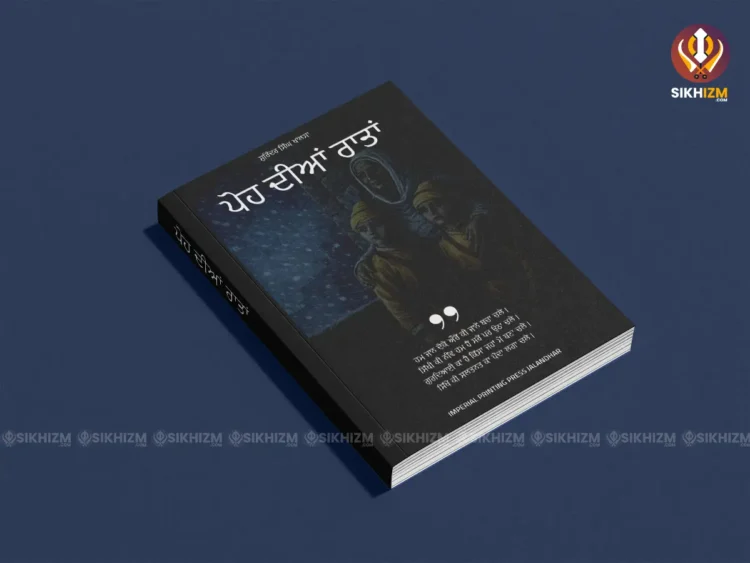
During the chilly month of Poh, the Sikh community commemorates the Shaheedi Hafta (Martyrdom Week), a period marked by unparalleled bravery and faith. This book, "Poh Dian Raatan", is a dedicated research work that serves as a tribute to the 300th anniversary of these martyrdoms. It explores the "Sidak" (unwavering faith) and the "Siradh" (devotion) of the four Sahibzade and Mata Gujri Ji as they navigated the freezing nights of December 1704.
01
of 04Book Summary : Poh Diyaan Raatan
"Poh Diyaan Raatan" provides a harrowing yet inspiring account of the events following the evacuation of Anandpur Sahib on the night of 20 December 1704 (6 Poh). The narrative follows the separation of the Guru's family at the flooded Sarsa River, the heroic last stand of the elder Sahibzade at Chamkaur Sahib, and the heartbreaking betrayal and eventual martyrdom of the younger Sahibzade and Mata Gujri Ji in Sirhind. The author, Surinder Singh Khalsa, emphasizes that these events were not merely a tragedy but a divine mission that uprooted the foundations of tyranny.
02
of 04Poh Dian Raatan (ਪੋਹ ਦੀਆਂ ਰਾਤਾਂ) – Book PDF Download Details
📘 Book Title
Poh Diyaan Raatan (ਪੋਹ ਦੀਆਂ ਰਾਤਾਂ)
✍️ Author
Surinder Singh Khalsa
(Village Khajurla)
🗣️ Language
Punjabi (Gurmukhi Script)
📄 Total Pages
128 Pages
📚 Chapters & Structure
24 Main Sections
🏛️ Publisher
Gurudwara Mata Gujar Kaur, Chhote Sahibzade
📁 File Format
PDF (Printable & Mobile-Friendly)
03
of 04Excerpts from the Book
The book is enriched with powerful poetic verses that capture the essence of the Khalsa spirit. Below are notable excerpts:
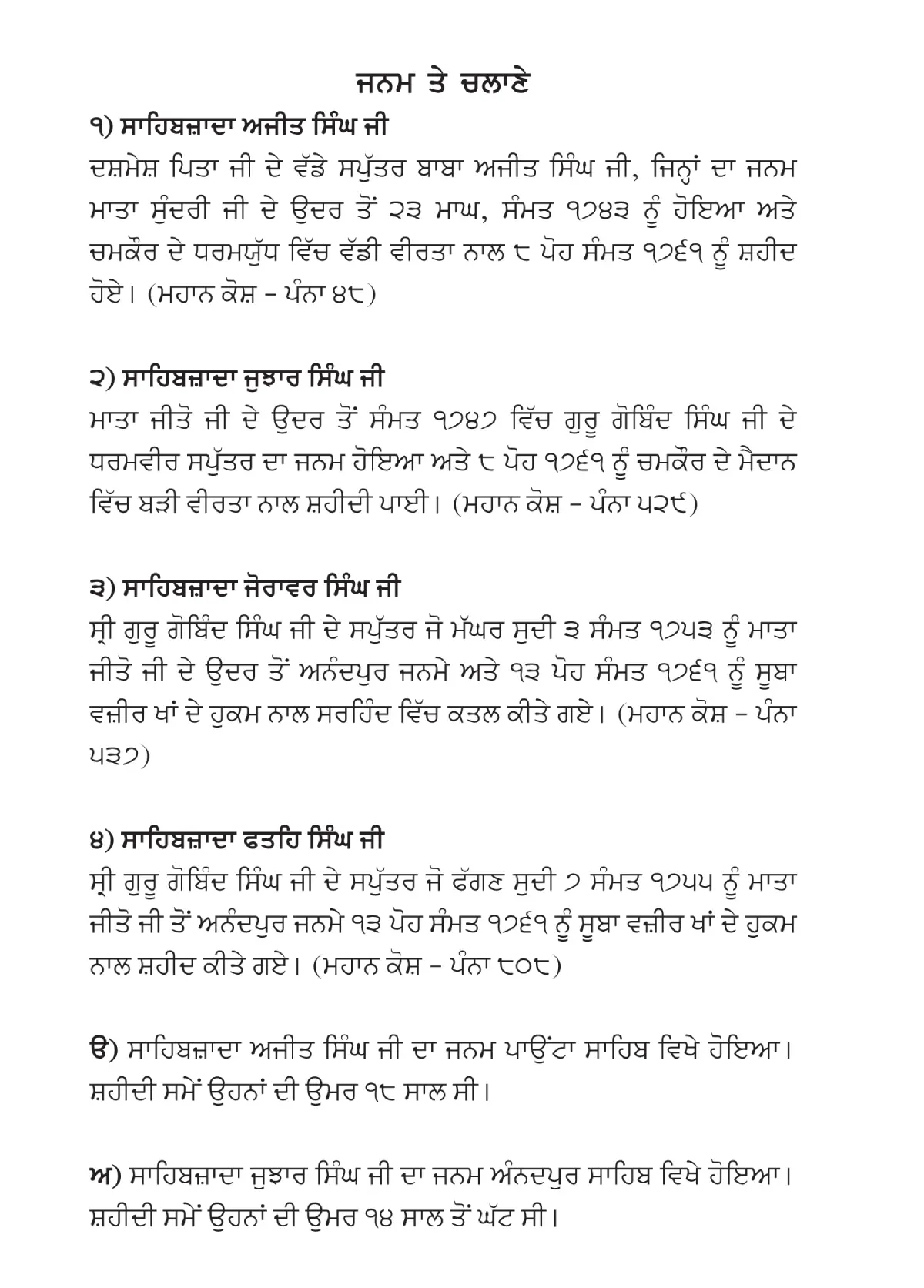
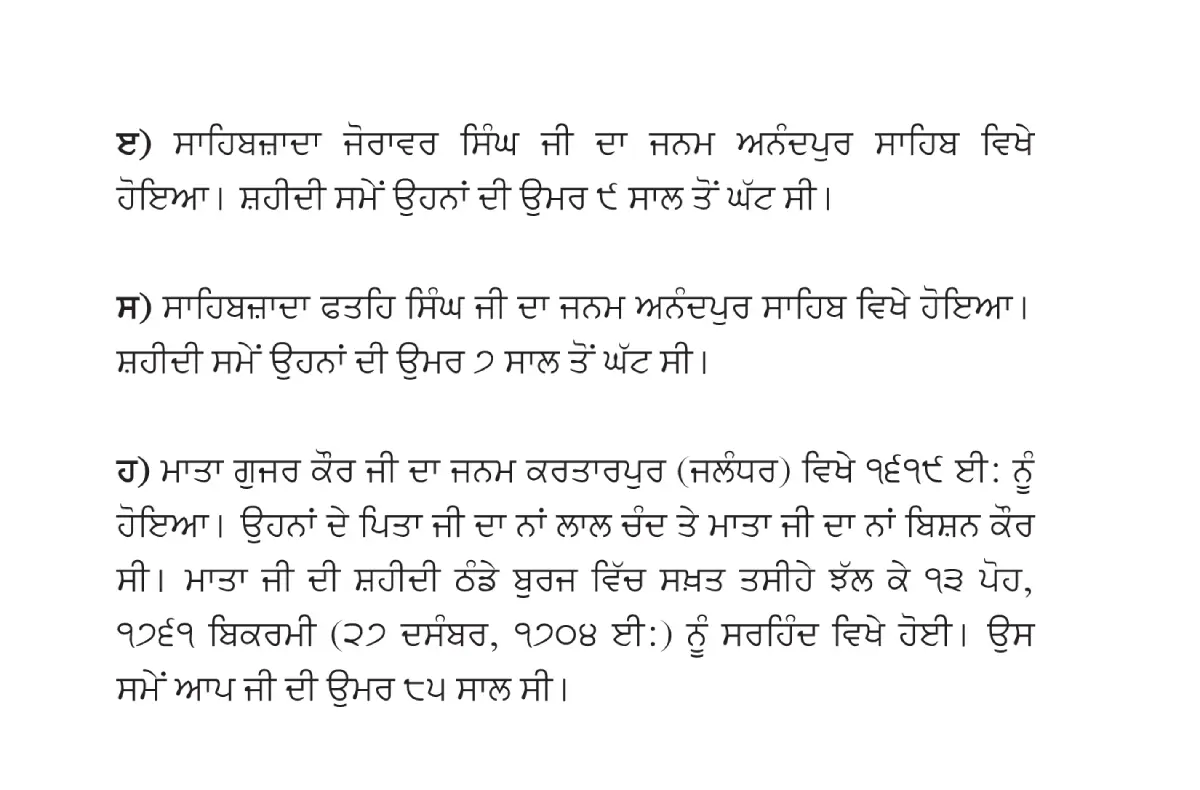
ਹਮ ਜਾਨ ਦੇਕੇ ਔਰੋਂ ਕੀ ਜਾਨੇਂ ਬਚਾ ਚਲੇ।
ਸਿੱਖੀ ਕੀ ਨੀਂਵ ਹਮ ਹੈਂ ਸਰੋਂ ਪਰ ਉਠਾ ਚਲੇ।
ਗੁਰਦਿਆਈ ਕਾ ਹੈ ਕਿੱਸਾ ਜਹਾਂ ਮੇਂ ਬਣਾ ਚਲੇ।
ਸਿੱਖੋਂ ਕੀ ਸਲਤਨਤ ਕਾ ਪੌਦਾ ਲਗਾ ਚਲੇ।
ਮਿੱਤਰ ਪਿਆਰੇ ਨੂੰ ਹਾਲ ਮੁਰੀਦਾਂ ਦਾ ਕਹਿਣਾ।
ਤੁਧੁ ਬਿਨੁ ਰੋਗੁ ਰਜਾਈਆਂ ਦਾ ਓਢਣ ਨਾਗ ਨਿਵਾਸਾਂ ਦੇ ਰਹਿਣਾ।
ਬੱਸ ਏਕ ਹਿੰਦ ਮੇਂ ਤੀਰਥ ਹੈ ਯਾਤਰਾ ਕੇ ਲੀਏ।
ਕਟਾਏ ਬਾਪ ਨੇ ਬੇਟੇ ਜਹਾਂ ਖੁਦਾ ਕੇ ਲੀਏ।
04
of 04Book Index (Tatkara)
Below is the table of contents with English translations to help you navigate the historical journey described in the book:
1. ਮੁੱਖ ਸ਼ਬਦ (Preface/Forward) — Page 1
2. ਕਿੱਥੇ ਚੱਲਿਆਂ ਕਲਗੀਆ ਵਾਲਿਆ (Where are you going, O wearer of the Plume?) — Page 3
3. ਸਰਸਾ ਨਦੀ 'ਤੇ ਵਿਛੋੜਾ ਪੈ ਗਿਆ (The Separation at the Sarsa River) — Page 10
4. ਸਿਦਕ ਦੀ ਮੂਰਤ ਬੀਬੀ ਮੁਮਤਾਜ ਜੀ (Bibi Mumtaz Ji: An Icon of Faith) — Page 16
5. ਸਵਾ ਲਾਖ ਸੇ ਏਕ ਲੜਾਊਂ (One fighting against 125,000) — Page 20
6. ਪੁੱਤ ਵਾਰ ਕੇ ਕਲਗੀਆਂ ਵਾਲਾ (The Plume-wearer who sacrificed his sons) — Page 27
7. ਚਮਕੌਰ ਦੀ ਗੜੀ ਦੇ ਸ਼ਹੀਦਾਂ ਦੇ ਸਸਕਾਰ ਕਿਵੇਂ ਹੋਏ? (How were the martyrs of Chamkaur cremated?) — Page 31
8. ਪਹਿਲੀ ਰਾਤ (The First Night) — Page 36
9. ਦੂਜੀ ਰਾਤ (The Second Night) — Page 43
10. ਤੀਜੀ ਰਾਤ (The Third Night) — Page 53
11. ਚੌਥੀ ਰਾਤ (The Fourth Night) — Page 61
12. ਪੰਜਵੀਂ ਰਾਤ (The Fifth Night) — Page 66
13. ਛੇਵੀਂ ਤੇ ਆਖਰੀ ਰਾਤ (The Sixth and Last Night) — Page 72
14. ਗੁਰ ਲਾਲਾਂ ਤਾਈਂ ਦੁੱਧ ਪਿਆਇਆ (Feeding milk to the Guru's beloved sons) — Page 78
15. ਸ਼ਹੀਦੀਆਂ (The Martyrdoms) — Page 81
16. ਰਾਣੀ ਜੈਨਾ ਦੀ ਸ਼ਹੀਦੀ (The Martyrdom of Rani Jaina) — Page 90
17. ਸ਼ਹੀਦੀਆਂ ਤੋਂ ਬਾਅਦ ਵਜ਼ੀਰ ਖਾਨ ਦੀ ਹਾਲਤ (Wazir Khan’s condition after the martyrdoms) — Page 92
18. ਵਾਰ ਦੀਏ ਸੁਤ ਚਾਰ (Sacrificed all four sons) — Page 94
19. ਪਾਪੀਆਂ ਦੀ ਮੌਤ (The Death of the Sinners) — Page 98
20. ਗੁਰੂ ਮਾਰੀ ਸਰਹਿੰਦ (The Cursed Sirhind) — Page 102
21. ਫਤਹਿ ਤੋਂ ਫਤਹਿਗੜ੍ਹ ਸਾਹਿਬ (From Victory to Fatehgarh Sahib) — Page 106
22. ਖੋਜ ਤੋਂ ਬਾਅਦ ਬਣੀਆਂ ਯਾਦਗਾਰਾਂ (Memorials built after research) — Page 110
23. ਫਤਹਿਗੜ੍ਹ ਸਾਹਿਬ ਅਤੇ ਚਮਕੌਰ ਸਾਹਿਬ ਦੇ ਇਤਿਹਾਸਕ ਅਸਥਾਨ (Historical sites of Fatehgarh and Chamkaur) — Page 120
24. ਇਤਿਹਾਸਕ ਸਰੋਤ (Historical Sources) — Page 128